

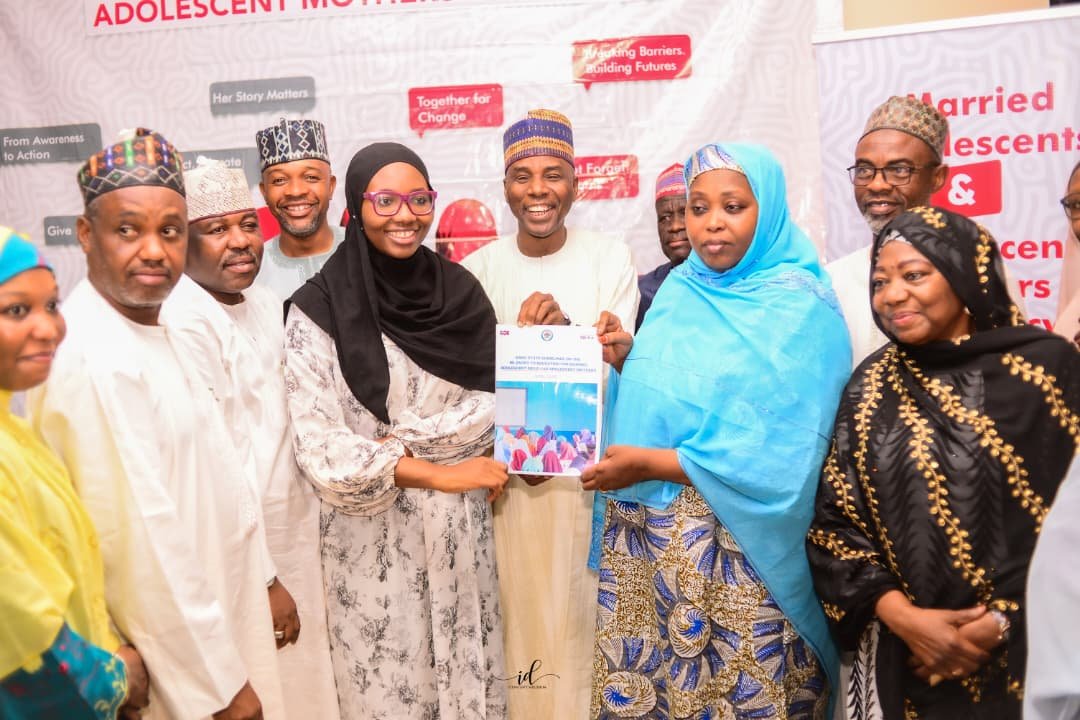
In a landmark move to tackle the growing challenge of school dropout among married girls, the Kano State Ministry of Education, in collaboration with ACE Charity and supported by the Malala Fund, has validated and officially adopted new Guidelines on the Re-entry to Education for Married Adolescent Girls and Adolescent Mothers.
The development was announced at the end of a two-day Validation and Adoption Workshop that brought together key stakeholders, including government officials, civil society groups, education experts, and community leaders.
The newly adopted framework is designed to dismantle the barriers preventing married adolescent girls from continuing their education, while also strengthening non-formal learning pathways across the state.
Findings from extensive research conducted across Kano’s three senatorial districts revealed that early marriage remains a leading cause of school dropout among girls.
However, the study also showed that an overwhelming 99 per cent of married adolescents expressed a strong desire to continue their education.
Despite this, many face significant hurdles, including financial difficulties, socio-cultural limitations, and structural barriers that hinder both access to and the quality of education available to them.
Notably, the guidelines were shaped by the lived experiences of married girls and adolescent mothers, whose voices were incorporated through consultations and community engagements.
Their contributions influenced key provisions such as flexible learning arrangements, re-enrolment pathways, and targeted support systems to ensure sustained participation in education.
Speaking during the event, the Honourable Commissioner for Education reaffirmed the state government’s commitment to inclusive education, stressing that no girl child should be left behind regardless of her marital status.
Participants at the workshop reviewed the draft document, made critical inputs, and reached consensus on strategies for effective implementation.
The final document was subsequently endorsed and signed by the Commissioner, marking a significant milestone for the state.
Kano has now become the first state in Nigeria to formally adopt such guidelines, a development stakeholders described as both pioneering and commendable.
The policy outlines strategic actions in areas such as access and re-enrolment, learning support, coordination, and sustainable financing. It also clearly defines roles for government agencies, communities, and development partners to ensure smooth execution.
Stakeholders further pledged their commitment to supporting the rollout through community sensitisation, strengthening of school systems, and improved support services tailored to the needs of married girls and adolescent mothers.

Spotted an error? Read our Corrections Policy or tell the editors.
Got a story or a tip? Contact Leading Reporters. We protect our sources.