
Leading Reporters
  • Headlines
  • Health
  • Business
  • Exclusives
  • Investigation
  • Entertainment
  • Opinion
Thursday, August 20, 2026
Hot
NDLEA Arrests Socialite KC Luxury Over N39bn Cocaine...
European Union ‘Boycotts’ Nigeria’s 2027 General Elections, Rejects...
Nigerians Raise Concern Over Rising Mob Justice
Atiku Abubakar Raises Alarm over Suspicious Deposit to...
Nigerian Author Loses $2 Million Book Deal Over...
Onaiyekan to Tinubu: Catholic Bishops Have Said Enough,...
Nigeria not short of gas but short of...
How Nigeria’s Mineral Wealth Is Being Handed to...
NAFDAC DG Vows Serious Consequences for Manufacturers Violating...
Peter Obi Reaffirms Commitment to Single Term Governance:...
  • About Leading Reporters
  • Contact Us
Leading Reporters
Advertise With Us
  • Headlines
  • Health
  • Business
  • Exclusives
  • Investigation
  • Entertainment
  • Opinion
Hot
NDLEA Arrests Socialite KC Luxury Over N39bn Cocaine...
European Union ‘Boycotts’ Nigeria’s 2027 General Elections, Rejects...
Nigerians Raise Concern Over Rising Mob Justice
Atiku Abubakar Raises Alarm over Suspicious Deposit to...
Nigerian Author Loses $2 Million Book Deal Over...
Onaiyekan to Tinubu: Catholic Bishops Have Said Enough,...
Nigeria not short of gas but short of...
How Nigeria’s Mineral Wealth Is Being Handed to...
NAFDAC DG Vows Serious Consequences for Manufacturers Violating...
Peter Obi Reaffirms Commitment to Single Term Governance:...
Leading Reporters
Leading Reporters
  • Headlines
  • Health
  • Business
  • Exclusives
  • Investigation
  • Entertainment
  • Opinion
Copyright 2024 - All Right Reserved
Home > NUPRC
Tag:

NUPRC

Headlines

Nigeria not short of gas but short of will to capture it — Energy expert

by Folarin Kehinde August 3, 2026
written by Folarin Kehinde

Nigeria is not suffering from a shortage of natural gas but from an inability to harness the enormous volumes currently wasted through routine gas flaring, Managing Director of Excella-U Energy Limited, Engr. Oseagah Solomon, has said.

Speaking against the backdrop of rising electricity shortages, increasing cooking gas prices and mounting environmental concerns, Solomon described the continued flaring of associated gas as one of the country’s biggest economic contradictions.

“We are burning away resources that should be lighting homes, powering businesses and earning foreign exchange,” he said.

His remarks come as analysis of data from the National Oil Spill Detection and Response Agency (NOSDRA) Gas Flare Tracker indicates that Nigeria lost an estimated US$5.5 billion (about ₦8.7 trillion) worth of natural gas to routine gas flaring between 2021 and 2025.

Industry experts, however, argue that the actual economic cost extends far beyond the commodity value of the gas burned.

According to Mahmoud Ibrahim Mahmoud, a postdoctoral researcher and environmental scientist with NOSDRA, the broader national losses from methane waste—including unrealised electricity generation, liquefied petroleum gas (LPG), fertilizer and petrochemical production, export earnings, taxes, royalties and carbon market opportunities—could amount to between US$18 million and US$28 million every day.

Under favourable carbon market conditions, he estimated that Nigeria’s unrealised opportunity could exceed US$30 million daily, translating to between US$7 billion and US$12 billion annually.

Gas capable of transforming power sector

Oseagah said the gas currently wasted every year could significantly improve Nigeria’s energy security if properly captured and commercialised.

According to him, gas presently flared across the country has the capacity to generate more than 32 gigawatts of electricity, while also supporting domestic LPG supply, fertilizer production and petrochemical industries.

“Nigeria is blessed with abundant gas resources. The challenge is not availability but creating the right environment to recover and utilise them instead of allowing them to go up in flames,” he said.

Nigeria possesses more than 215 trillion cubic feet of proven natural gas reserves, making it one of Africa’s largest gas producers.

Despite this, routine gas flaring remains common across oil-producing fields.

NOSDRA’s 2025 Gas Flare Report shows operators flared about 323 billion standard cubic feet of gas during the year.

The agency estimates that the wasted gas was worth approximately US$1.1 billion (₦1.49 trillion), emitted about 17.2 million tonnes of carbon dioxide, and could have generated over 32,300 gigawatt-hours of electricity if utilised.

Similarly, figures released by the Nigerian Upstream Petroleum Regulatory Commission (NUPRC) indicate that nearly 204 billion standard cubic feet of gas was flared in 2025 despite overall gas utilisation exceeding 92 per cent.

Investment barriers slowing gas recovery

While describing gas recovery as economically viable, Oseagah noted that financing challenges, inadequate infrastructure and inconsistent implementation of existing gas commercialisation programmes continue to discourage investment.

According to him, investors require clear regulatory frameworks, policy stability and stronger government support before committing capital to gas capture projects.

He stressed that greater certainty around fiscal policies and infrastructure development would encourage private investment capable of reducing gas flaring while expanding domestic energy supply.

Independent petroleum marketer, Chief Ajiboye Adebowale Moses, shared similar views, noting that every unit of methane wasted represents lost economic value.

“If captured instead of burned, methane can support electricity generation, cooking gas, fertilizer production and industrial development,” he said.


He added that wider domestic utilisation of natural gas would help lower LPG prices, improve electricity supply and stimulate industrial growth.


Experts quantify wider losses

Beyond the direct value of gas burned, Mahmoud said Nigeria loses opportunities across multiple sectors whenever methane is flared or vented.

According to him, captured gas could fuel power plants, increase household access to cooking gas, supply fertilizer and petrochemical industries, generate export revenue through liquefied natural gas (LNG), strengthen government revenues through taxes and royalties, and earn carbon credits under international climate markets.

“The true national loss is substantially larger than the commodity value shown on the Gas Flare Tracker because methane that is flared or vented could otherwise generate electricity, supply households with LPG, support fertilizer and petrochemical industries, earn export revenue and generate taxes and royalties,” he said.

Communities demand greater benefits

Oil-producing communities continue to bear the environmental consequences of decades of gas flaring.

Chairman of the Council of Chiefs of Lasukugbene Community in Bayelsa State, Chief Zion D. Kientei, said communities located close to flare sites have experienced declining crop yields, disappearing fish species and worsening health conditions.

“Our flare stack is less than 200 metres from the community. It has altered our ecosystem. The fish species we grew up seeing have disappeared. Crop yields have reduced drastically,” he said.

He urged government and operators to accelerate gas capture projects and prioritise host communities for electricity supply and economic development.

According to him, improved electricity access would stimulate small businesses, create employment and reduce youth unemployment across the Niger Delta.

Stronger enforcement needed

Environmental advocates also called for stricter enforcement of existing regulations.

Executive Director of the Renevlyn Development Initiative (RDI), Philip Jakpor, said methane emissions are frequently accompanied by hazardous pollutants that threaten public health and agricultural livelihoods.

He argued that while Nigeria has introduced regulations aimed at reducing methane emissions and gas flaring, implementation remains weak.

Jakpor advocated greater use of satellite monitoring, independent emissions tracking and transparent reporting to improve accountability.

Meanwhile, Mahmoud recommended integrating satellite observations with drones, airborne sensors and ground-based monitoring systems to improve methane detection and strengthen regulatory oversight.

He also called for expansion of digital platforms such as the Nigerian Gas Flare Tracker and the proposed Nigerian Methane Emissions Tracker.

Stakeholders agree that Nigeria possesses both the natural gas resources and the technology required to significantly reduce flaring.

However, they maintain that stronger policy implementation, investment and regulatory enforcement will determine whether the country succeeds in converting billions of dollars currently lost through gas flaring into electricity, cleaner cooking fuel, industrial development and economic growth.

August 3, 2026 0 comments
0 FacebookTwitterPinterestThreadsBlueskyEmail
Headlines

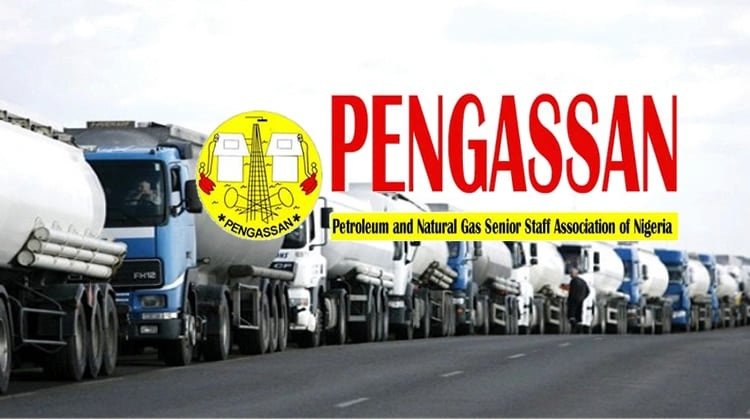
Panic buying hits Abuja as NNPC, NUPRC, NMDPRA shut over PENGASSAN strike PANIC buying of petrol has spread across the Federal Capital Territory as the nationwide strike declared by the Petroleum and Natural Gas Senior Staff Association of Nigeria (PENGASSAN) shut down operations at Nigeria’s key oil and gas regulatory institutions. Motorists were seen thronging fuel stations for panic buying in several parts of the city, including the Airport and Kubwa roads, while queues also stretched at Maple, Kugbo and Nyanyan areas of the nation’s capital . The industrial action, which commenced on Monday, paralysed activities at the Nigerian National Petroleum Company Limited (NNPCL), the Nigerian Upstream Petroleum Regulatory Commission (NUPRC), and the Nigerian Midstream and Downstream Petroleum Regulatory Authority (NMDPRA). According to Punch, at the NUPRC headquarters in Abuja, the main gate was firmly locked, leaving staff stranded outside. Security operatives confirmed that no entry was permitted in line with the union’s directive. Similar scenes played out at the NMDPRA office in the Central Business District, where offices were deserted. Confirming the situation, PENGASSAN chairman at NMDPRA, Tony Iziogba, said the strike recorded “100 per cent compliance,” barring both staff and visitors from accessing facilities. He added that the same level of compliance was achieved at the NNPCL and other agencies nationwide. The strike followed PENGASSAN’s National Executive Council (NEC) resolution over the dismissal of about 800 workers at the Dangote Petroleum Refinery. The union accused the refinery of violating Nigerian labour laws and International Labour Organisation (ILO) conventions by sacking workers for joining the union and replacing them with foreigners. “All processes involving gas and crude supply to Dangote Refinery should be halted immediately,” the NEC declared in a statement signed by PENGASSAN General Secretary, Lumumba Okugbawa. The resolution directed all international oil companies (IOCs) to cut crude and gas shipments to the plant. The move has already triggered fears of acute fuel scarcity and blackouts. Marketers warn that halting supply to Nigeria’s largest refinery will disrupt distribution, drive up prices, and destabilise the downstream market.

by Folarin Kehinde September 29, 2025
written by Folarin Kehinde

Panic buying of petrol has spread across the Federal Capital Territory as the nationwide strike declared by the Petroleum and Natural Gas Senior Staff Association of Nigeria (PENGASSAN) shut down operations at Nigeria’s key oil and gas regulatory institutions.

Motorists were seen thronging fuel stations for panic buying in several parts of the city, including the Airport and Kubwa roads, while queues also stretched at Maple, Kugbo and Nyanyan areas of the nation’s capital .

The industrial action, which commenced on Monday, paralysed activities at the Nigerian National Petroleum Company Limited (NNPCL), the Nigerian Upstream Petroleum Regulatory Commission (NUPRC), and the Nigerian Midstream and Downstream Petroleum Regulatory Authority (NMDPRA).

According to Punch, at the NUPRC headquarters in Abuja, the main gate was firmly locked, leaving staff stranded outside. Security operatives confirmed that no entry was permitted in line with the union’s directive. Similar scenes played out at the NMDPRA office in the Central Business District, where offices were deserted.

Confirming the situation, PENGASSAN chairman at NMDPRA, Tony Iziogba, said the strike recorded “100 per cent compliance,” barring both staff and visitors from accessing facilities. He added that the same level of compliance was achieved at the NNPCL and other agencies nationwide.

The strike followed PENGASSAN’s National Executive Council (NEC) resolution over the dismissal of about 800 workers at the Dangote Petroleum Refinery. The union accused the refinery of violating Nigerian labour laws and International Labour Organisation (ILO) conventions by sacking workers for joining the union and replacing them with foreigners.

“All processes involving gas and crude supply to Dangote Refinery should be halted immediately,” the NEC declared in a statement signed by PENGASSAN General Secretary, Lumumba Okugbawa. The resolution directed all international oil companies (IOCs) to cut crude and gas shipments to the plant.

The move has already triggered fears of acute fuel scarcity and blackouts. Marketers warn that halting supply to Nigeria’s largest refinery will disrupt distribution, drive up prices, and destabilise the downstream market.


September 29, 2025 0 comments
0 FacebookTwitterPinterestThreadsBlueskyEmail
Headlines

NUPRC extends deadline for pre-qualification documents submission for oil block licensing

by Folarin Kehinde June 19, 2024
written by Folarin Kehinde

The Nigerian Upstream Petroleum Regulatory Commission (NUPRC) has announced the extension of the deadline for the registration and submission of pre-qualification documents for the 2024 oil block licensing round.

NUPRC chief executive, Gbenga Komolafe announced the extension in a statement.

Komolafe said the registration and submission of pre-qualification documents, initially scheduled to close on June 25, 2024, had been extended by 10 days and would now close on July 5, 2024.

According to him, the data access, purchase, evaluation, bid preparation and submission, initially scheduled to open on July 4 and close on November 29, will now start on July 8 and close on November 29, 2024, as previously scheduled. He said all other dates in the published 2024 Licensing Round Schedule remained unchanged unless otherwise communicated.

“In pursuit of the commission’s commitment to derive value from the country’s abundant oil and gas reserves and increase production, the commission has been working assiduously with multi-client companies to undertake more exploratory activities. This is to acquire more data to foster and encourage further investment in the Nigerian upstream sector,” he said.

Komolafe said that due to additional data acquired on deep offshore blocks, the NUPRC had added 17 deep offshore blocks to the 2024 licensing round. He said further details on the blocks could be found on the bid portal.

Komolafe added, “In accordance with the published guidelines, we had earlier indicated that some of the assets on offer should be applied for as clusters, namely: PPL 300-CS & PPL 301-CS, PPL 2000 and PPL 2001. Bidders are hereby advised to bid for those blocks as clusters or as single units; it is optional.”

Some deep offshore blocks and other blocks that cut across onshore were offered for the 2022/2023 mini-bid round. The continental shelf and deep offshore terrains were also offered for the Nigeria 2024 licensing round.

To vacate entry barriers, NUPRC sought and obtained the approval of President Bola Tinubu, who was determined to create enabling and attractive investment regimes in the upstream oil and gas sector. The President who is also the petroleum minister, had approved attractive fiscal regimes and minimised entry fees for both licensing rounds by putting a cap on the signature bonus payable for the award of the acreages.

“All blocks in the 2022/2023 and 2024 Licensing Rounds are available to all interested investors,” he said.

June 19, 2024 0 comments
0 FacebookTwitterPinterestThreadsBlueskyEmail
Headlines

12 Oil Blocks Sale: NUPRC Assures Investors Of Presidential Backing

by Folarin Kehinde May 15, 2024
written by Folarin Kehinde

The Nigerian Upstream Petroleum Regulatory Commission (NUPRC) said it has received presidential approval to remove all entry barriers to the licensing round including reducing the entry fee to the barest minimum.

The NUPRC boss said this on Tuesday at the Miami International Roadshow for the 2024 licensing round hosted by the NUPRC in collaboration with the Petroleum Technology Association of Nigeria (PETAN) and Zetse Advisory & Consulting.

Twelve new blocks namely PPL 300-CS; PPL 301-CS; PPL 3008; PPL 3009; PPL 2001; PPL 2002; PML 51; PPL 267; PPL 268; PPL 269; PPL 270; and PPL 271 including 7 old blocks in the 2022 mini-bid are on offer by the NUPRC.

The 2024 block licensing round is scheduled to last for approximately nine months.

Nigeria has 37.5 billion barrels of crude oil and condensate reserves and 209.26 trillion cubic feet of natural gas reserves representing above 30 per cent and 33 per cent respectively of the entire oil and gas reserves in Africa.

Komolafe said the 2024 licensing round is different due to the decision by the government to eliminate entry barriers.

He said, “Nigeria under President Bola Ahmed Tinubu, GCFR as the minister of Petroleum Resources has become a lot more proactive and pragmatic in ensuring that entry does not constitute a barrier to entry for investment in exploration blocks offered.

“As a responsible regulator, the Commission will continue to review the prevailing global investment climate to ensure that the entry fees associated with all licensing rounds are competitive in the context of global realities.

“Broadly speaking, competitive entry fees that are responsive to prevailing realities will be adopted in the 2024 Block licensing rounds. Also, considerations for the commerciality of projects will be made on a case-by case basis for the determination of appropriate entry fees.”

The NUPRC boss said that in the case of the 2024 licensing round, the commission would implement suitable models that support investments and guarantee value for stakeholders in accordance with the government’s aspirations.

He assured that the blocks on offer have extensive 2D and 3D seismic data coverage, including multi-beam and analog data.

Komolafe said, “Additionally, a 3D reprocessed Pre-stack Time Migration of remarkable quality is also available to prospective bidders.

“The availability of advanced seismic datasets and analytical tools via our dedicated portals exemplifies our commitment to excellence and technological advancement.”

The NUPRC boss also addressed securities concerns saying that the Petroleum Industry Act has provided a fund for the host communities which will help eliminate vandalism and theft.

Komolafe said, “The PIA as the overriding legislation has a provision for inclusiveness which is a recipe for sustainable security in the country. So, there is a provision in the PIA that provides the Host Community Development Fund.

“It is a provision that guarantees inclusivity and a peaceful host community environment and as we spark, the NUPRC is implementing that provision which we call the host community provision in the PIA.”

He said the guidelines for participation are structured to ensure fairness and strategic partnership, fostering not just economic returns but also technological exchange and capacity building.

May 15, 2024 0 comments
0 FacebookTwitterPinterestThreadsBlueskyEmail

Recent Posts

  • NDLEA Arrests Socialite KC Luxury Over N39bn Cocaine Consignment

    August 20, 2026
  • European Union ‘Boycotts’ Nigeria’s 2027 General Elections, Rejects Observer Role Over Rising Insecurity

    August 10, 2026
  • Nigerians Raise Concern Over Rising Mob Justice

    August 10, 2026
  • Atiku Abubakar Raises Alarm over Suspicious Deposit to his Account

    August 7, 2026
  • Nigerian Author Loses $2 Million Book Deal Over AI Plagiarism

    August 7, 2026

Usefull Links

  • Contact Page
  • About Leading Reporters
  • Contact Us
  • Headlines
  • Investigation
  • Exclusives
  • Opinion
  • Business
  • Facebook
  • Twitter
  • Instagram
  • Linkedin

@2021 - All Right Reserved. Designed and Developed by PenciDesign


Back To Top
Leading Reporters
  • Featured
  • Politics
  • Opinion
  • Business
  • Entertainment
  • Sports
  • About Us
  • Contact