
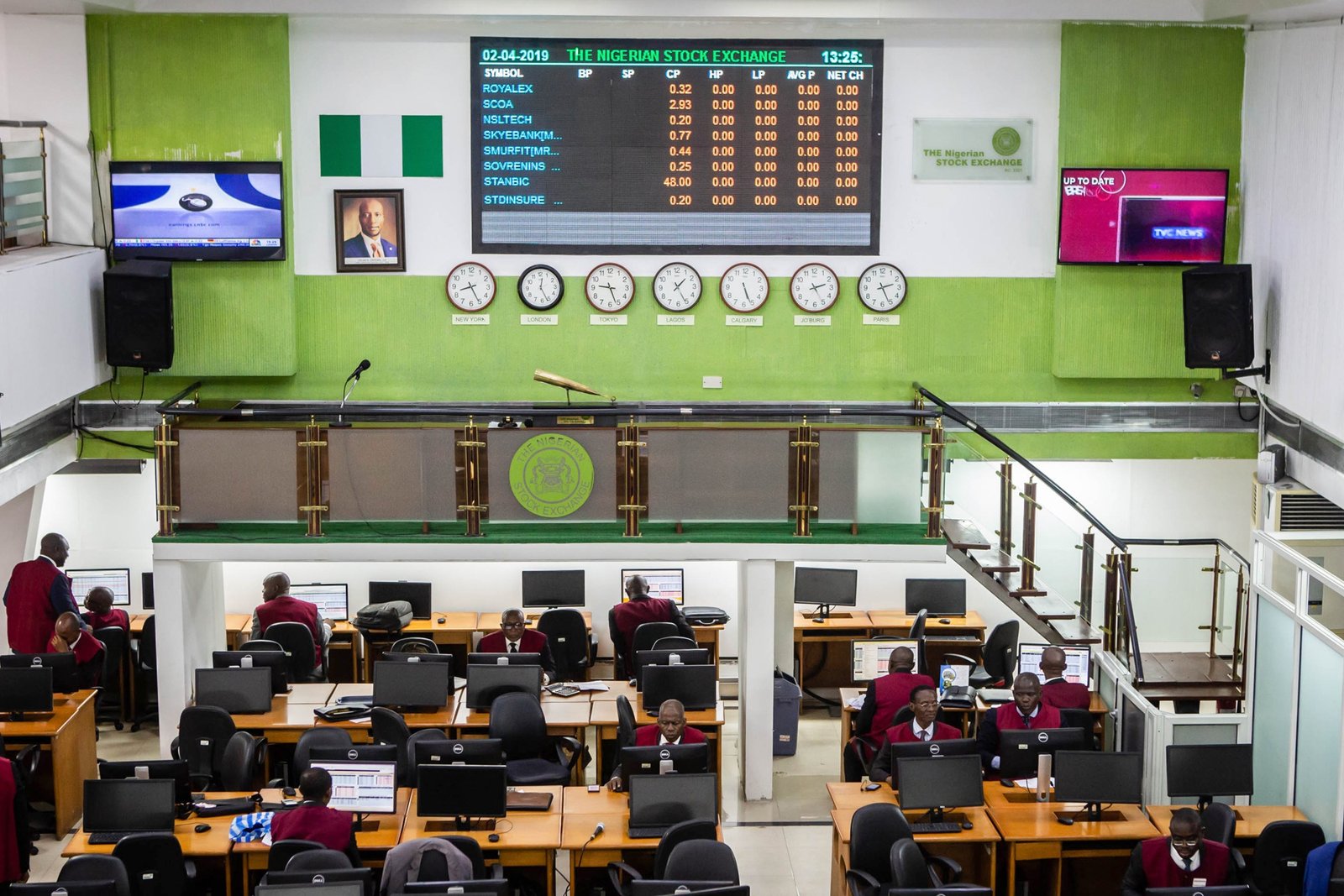
Foreign investors are increasingly retreating from the Nigerian equities market despite a powerful rally that has pushed the NGX All-Share Index to gains of about 60 per cent at its 2026 peak.
The development has seen foreign portfolio participation plunge to just 5.6 per cent of total transactions on the Nigerian Exchange Limited (NGX) in July 2026, even as domestic investors, particularly institutional players, continued to channel trillions of naira into the market.
Market analysts have attributed the foreign investors’ retreat to a combination of factors, including growing uncertainty ahead of the 2027 general elections, relatively attractive yields in the fixed-income market and concerns over the implementation of the new T+1 settlement cycle.
Lingering concerns over Nigeria’s political and security environment have also continued to weigh on foreign investor sentiment.
Despite the strong performance of Nigerian equities, the country remains excluded from major global benchmarks, including the FTSE Russell Frontier Markets Index, where its planned reclassification remains under review. Nigeria has also yet to regain full inclusion in key MSCI benchmarks.
Analysts said the decline in foreign participation is not entirely unexpected, noting that foreign investors typically become more cautious during election cycles and the second half of the year.
The Head of Research at GTI Securities, Abiodun Ogunniyi, said pre-election uncertainty often triggers a seasonal pullback by foreign portfolio investors.
According to him, foreign investors tend to reduce their exposure to Nigerian equities during the second half of election cycles and may remain on the sidelines until closer to November or December.
“There tends to be a lot of uncertainty in the pre-election period and second half of the year, especially more so for foreign investors. There tend to be foreign portfolio outflows from the equities market in the second half of the year, at least until November, December,” Ogunniyi said.

Spotted an error? Read our Corrections Policy or tell the editors.
Got a story or a tip? Contact Leading Reporters. We protect our sources.