


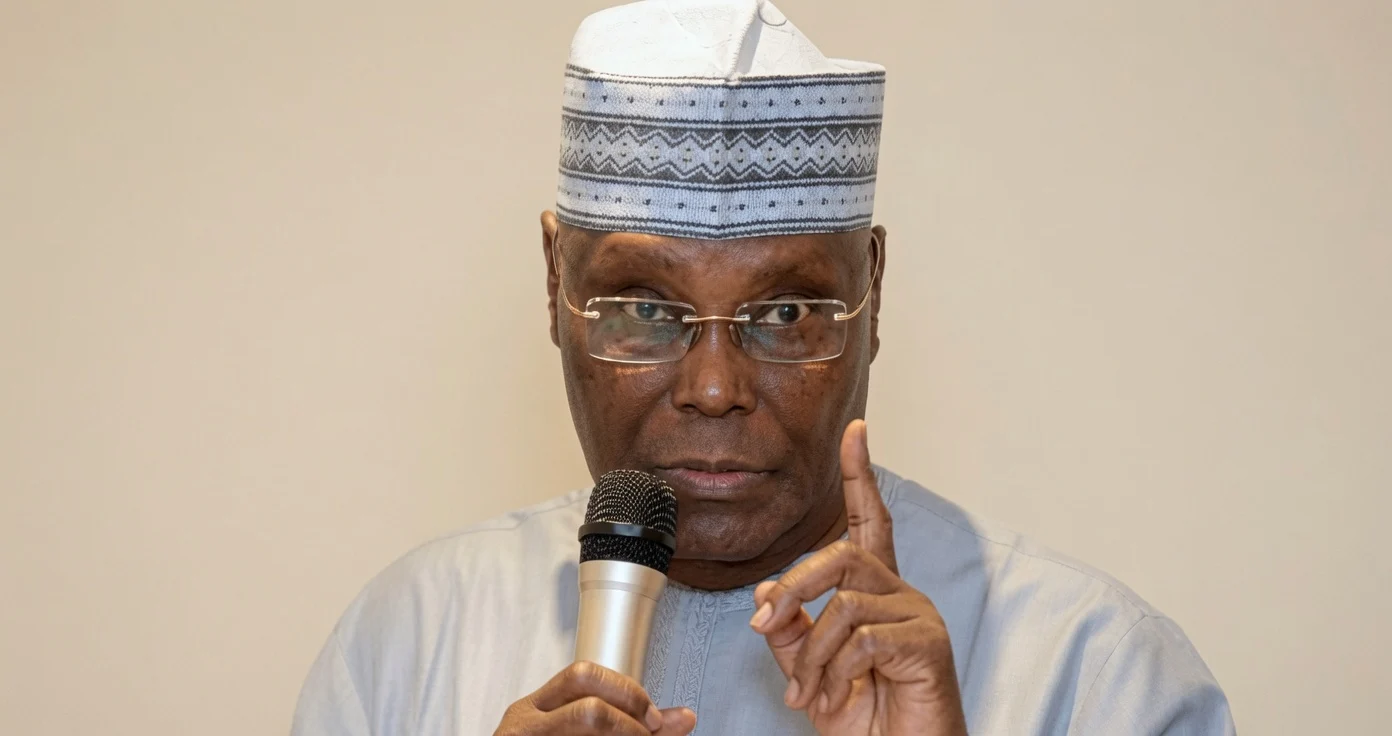
Former Vice President Atiku Abubakar has raised the alarm over reports that desperate young Nigerians are selling their kidneys for as little as ₦1.7 million amid the country’s worsening cost-of-living crisis.
Atiku, the presidential candidate of the African Democratic Congress (ADC), said the development was a frightening indication of the level of desperation among young Nigerians struggling to survive.
In a statement on Friday, he said reports of young people selling parts of their bodies should concern every Nigerian.
“Young people should be selling dreams, ideas and innovation, not their body organs,” Atiku said.
According to him, the soaring cost of food, transport, rent, school fees, medicine and electricity has made life increasingly difficult for millions of Nigerians.
He blamed the economic policies of President Bola Tinubu’s administration for the hardship, arguing that the benefits of government reforms were yet to translate into meaningful relief for ordinary citizens.
Atiku said the reported sale of kidneys for ₦1.7 million had gone beyond ordinary economic hardship.
“When young Nigerians begin to see their kidneys as emergency savings, we are no longer talking about ordinary economic hardship. We are talking about desperation at its most frightening,” he said.
The former vice president noted that Nigerian laws prohibit the commercial sale of human organs and organ trafficking.
However, he argued that enforcement alone would not solve the problem, warning that poverty and desperation could leave vulnerable Nigerians exposed to criminal organ-trafficking networks.
“Laws alone cannot cure the poverty and desperation that make vulnerable young people easy prey for criminal networks,” he said.
Atiku called for economic policies capable of putting money in the pockets of Nigerians and reducing the pressure caused by rising living costs.
He urged the government to prioritise reforms that deliver tangible improvements in the daily lives of citizens rather than policies whose benefits remain out of reach for ordinary Nigerians.
