


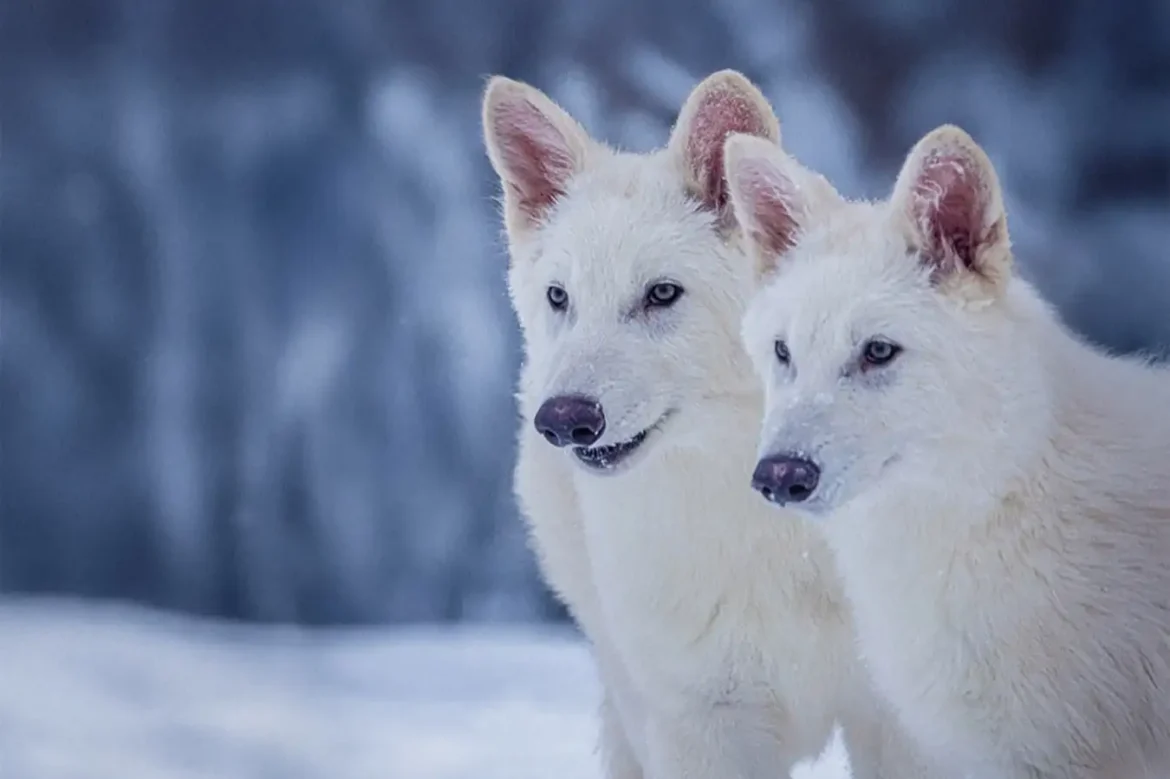
A team of U.S. geneticists has successfully brought back the long-extinct dire wolf species (Canis dirus) using advanced genetic engineering techniques. The milestone marks the first time the apex predator, which roamed North and South America more than 10,000 years ago, has returned to life after disappearing at the end of the last Ice Age.
The project, led by researchers at the Revive & Restore Initiative in collaboration with the Smithsonian Institution and several top U.S. universities, used recovered DNA from dire wolf fossils to recreate a living specimen through a process known as de-extinction cloning.
Dr. Eleanor Greene, the lead geneticist on the project, announced the successful birth of the first cloned dire wolf pup at a secure bio-research facility in Montana. “This is a landmark achievement in synthetic biology and species restoration,” Greene said. “The dire wolf was a formidable predator in its time, and bringing it back offers immense scientific insight into Ice Age ecosystems.”
Dire wolves, once widespread across the Americas, were larger and more robust than modern gray wolves, weighing up to 150 pounds with powerful jaws designed to crush bone. Despite their name, they were not direct ancestors of today’s wolves but a genetically distinct lineage.
The team extracted viable DNA from well-preserved dire wolf remains discovered in the La Brea Tar Pits in California. After identifying gaps in the genome, scientists used CRISPR gene-editing technology and DNA from the gray wolf and other canid species to reconstruct a complete genome. The embryo was gestated in a gray wolf surrogate.
The first pup, named “Fenrir,” was born on March 29 and is reported to be in excellent health. Initial observations show strong dire wolf traits, including a stockier build and deeper chest compared to gray wolves.
While the scientific community has largely hailed the success, the project has sparked debate over the ethics and ecological risks of de-extinction.
“This is not just about reviving extinct animals — it’s about understanding how species evolve, how ecosystems recover, and what we might do to preserve biodiversity today,” said Dr. Nathan Kim, an evolutionary biologist unaffiliated with the project.
However, critics warn of unforeseen consequences if such species are reintroduced into the wild. “We’re dealing with an apex predator that has not existed for over 10,000 years,” said Laura Chen of the Global Wildlife Policy Institute. “We must proceed with extreme caution.”
The successful revival of the dire wolf marks a monumental step in the field of genetic science and could pave the way for future restoration efforts of other extinct species such as the woolly mammoth and the passenger pigeon.