
Leading Reporters
  • Headlines
  • Health
  • Business
  • Exclusives
  • Investigation
  • Entertainment
  • Opinion
Tuesday, January 27, 2026
Hot
Strike: FCTA to open attendance register for staff
VIDEO: Tinubu stumbles briefly during reception parade in...
BREAKING: Nationwide Blackout as National Grid Collapses Again
FCTA Workers, NLC Storm Industrial Court, Demand Wike...
DisCos reject FG’s free meter plan
Nigerian-born nurse loses licence in Australia for sleeping...
BREAKING: Kano Gov Abba Yusuf dumps NNPP
National Grid Collapse For First Time in 2026
BREAKING: Tinubu approves posting of Ambassadors to U.S.,...
Insecurity: Kidnappers demand 17 motorcycles for release of...
  • About Leading Reporters
  • Contact Us
Leading Reporters
Advertise With Us
  • Headlines
  • Health
  • Business
  • Exclusives
  • Investigation
  • Entertainment
  • Opinion
Hot
Strike: FCTA to open attendance register for staff
VIDEO: Tinubu stumbles briefly during reception parade in...
BREAKING: Nationwide Blackout as National Grid Collapses Again
FCTA Workers, NLC Storm Industrial Court, Demand Wike...
DisCos reject FG’s free meter plan
Nigerian-born nurse loses licence in Australia for sleeping...
BREAKING: Kano Gov Abba Yusuf dumps NNPP
National Grid Collapse For First Time in 2026
BREAKING: Tinubu approves posting of Ambassadors to U.S.,...
Insecurity: Kidnappers demand 17 motorcycles for release of...
Leading Reporters
Leading Reporters
  • Headlines
  • Health
  • Business
  • Exclusives
  • Investigation
  • Entertainment
  • Opinion
Copyright 2024 - All Right Reserved
Home > WaterAid
Tag:

WaterAid

Uncategorized

Poor Toilets Driving GBV, School Dropouts – Wateraid

by Folarin Kehinde December 2, 2025
written by Folarin Kehinde

WaterAid Nigeria has warned that the persistent lack of safe, gender-inclusive toilets and water facilities across schools, markets and health centres continues to endanger women and girls, exposing them to gender-based violence, school absenteeism and poor health outcomes.

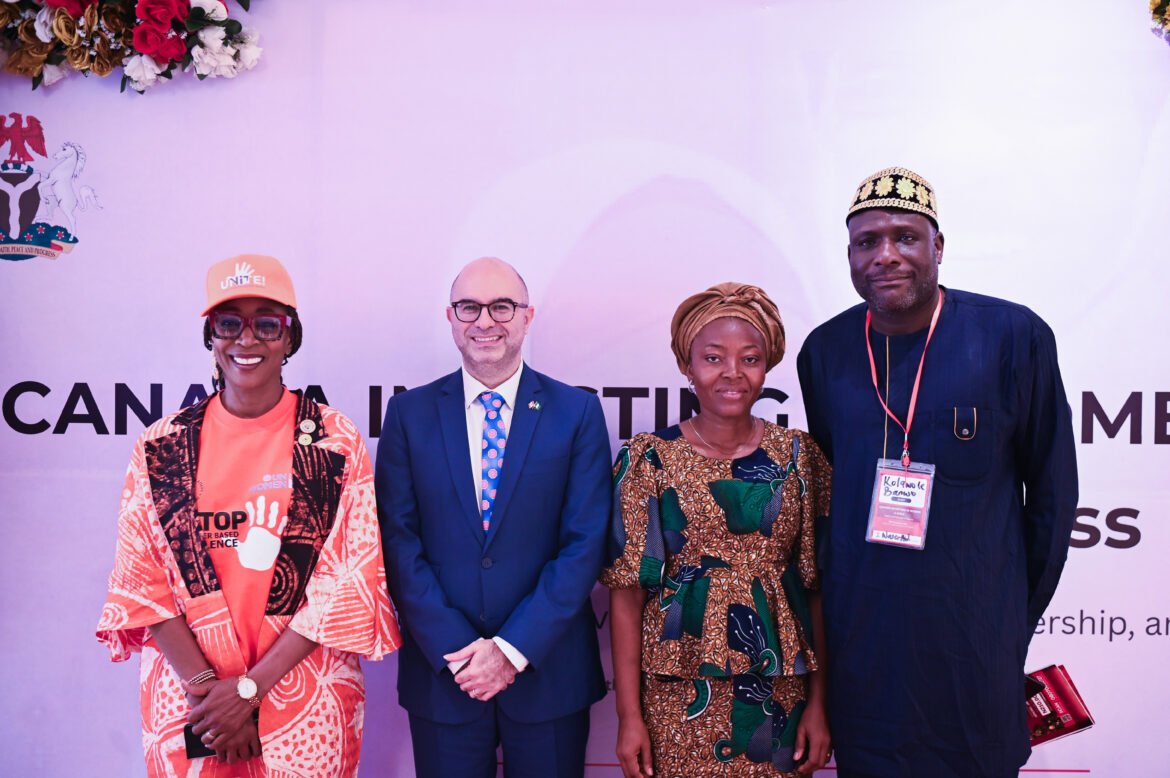
Speaking on behalf of the Country Director, Evelyn Mere, WaterAid’s Head of Advocacy, Policy and Communication, Kolawole Banwo, linked the absence of decent sanitation to a chain of social and health challenges faced by women and girls in several communities across northern states.

Mere who spoke at the launch of activities under WaterAid’s EMP0WER HER Project, funded by the Government of Canada through Global Affairs Canada, recounted field experiences showing how inadequate toilets force girls out of school and limit women’s participation in social and economic activities.

She narrated how, in one northern community, girls stayed away from school despite new classrooms being built. Investigations revealed that the absence of toilets pushed girls to remain at home, as neither they nor their parents considered the facilities dignifying or safe enough.

“In another community, even though gender-segregated toilets had been built, women avoided them because the entrance exposed them to public view. Privacy matters. Safety matters,” she said.

Mere added that many women avoided health centres entirely because they feared open defecation, especially during labour or long hospital stays. This, she said, led many to rely on traditional birth attendants until complications became life-threatening.

She stressed that insecurity around water sources also amplified risks:

“When girls and women walk long distances to fetch water, they become vulnerable to attacks. Lack of water and toilets is not just an infrastructure issue; it is a protection and dignity issue.”

Under the Empower Her Project, WaterAid will improve water, sanitation and hygiene (WASH) facilities across 69 schools and 58 health centres in Katagum, Misau and Tafawa Balewa LGAs of Bauchi State. The initiative is expected to directly reach 708,161 people, including: 20,717 adolescent girls, and 15,357 adolescent boys.

She emphasised the inclusion of boys, noting that tackling gender-based violence must begin with reshaping boys’ perceptions of girls’ rights and dignity.

“The monster of gender-based violence often begins in adolescence—when a boy is socialised to think he is superior, and that girls can be treated as property,” Mere cautioned.

She highlighted the story of Habiba, a 19-year-old girl living with a disability, whose experience will be showcased as part of the programme’s impact reporting.

WaterAid thanked the Government of Canada for supporting a project that aligns with Canada’s Feminist International Assistance Policy, particularly its pillars on gender equality, human dignity, health, education, and nutrition.

Mere pledged continued collaboration with government and stakeholders at federal, state and local levels to ensure women and girls can “realise their rights and contribute maximally to community and national development.”

“We will continue to work with Global Affairs Canada and our partners to reinforce this message and ensure that every woman and girl has access to safe water, decent toilets and good hygiene,” she said.


December 2, 2025 0 comments
0 FacebookTwitterPinterestThreadsBlueskyEmail
Headlines

Flooding in Nigeria Increases Risks of Disease Outbreaks’ – WaterAid

by Folarin Kehinde October 19, 2022
written by Folarin Kehinde

Nigeria has been hit by devastating flooding over the past weeks, which reportedly claimed the lives of at least 600 people, and displaced hundreds of thousands of people after their homes were inundated.

With rains expected to continue over the next days, below is a statement by Abu Jibril, Acting Country Director of WaterAid in Nigeria. He said:

“The flooding has increased the risks for communities in flood prone regions, in a country where an estimated 38 million people are still forced to defecate in the open, and tens of millions more have very limited access to other forms of sanitation.

“When the water comes like it has now, washing away human waste, it raises the risk of disease outbreaks that could further cost lives and impoverish citizens. We need to act fast to avoid these outbreaks.”

“People who have been forced from their homes need food and shelter, but they also need access to safe water, sanitation and hygiene. The number of displaced people forced to live in camps where access to safe water and good sanitation is further compromised have increased, with women and children most vulnerable and worst affected. A decent toilet and a bar of soap can literally save lives now, as they prevent diseases from breaking out.”

“With climate change upon us, many people in Nigeria are already living on the frontline of the crisis – and it’s likely to get worse.

“The Government of Nigeria has started a campaign to stop people from defecating in the open, but we also need support from international governments and donors to ensure communities who did the least to cause this crisis, are able to adapt to the changing circumstances and build resilience against future shocks.

“Healthy communities need the basics: shelter, food, but also safe water to drink and well managed toilets. We need to start investing in that, and we need to do it yesterday.”

October 19, 2022 0 comments
0 FacebookTwitterPinterestThreadsBlueskyEmail

Recent Posts

  • Strike: FCTA to open attendance register for staff

    January 27, 2026
  • Self Help Africa Drives Innovative Rural Water Safety Pilots with FG Support

    January 27, 2026
  • VIDEO: Tinubu stumbles briefly during reception parade in Turkey

    January 27, 2026
  • BREAKING: Nationwide Blackout as National Grid Collapses Again

    January 27, 2026
  • JUST IN: Super Eagles captain Wilfred Ndidi loses father to road accident

    January 27, 2026

Usefull Links

  • Contact Page
  • About Leading Reporters
  • Contact Us
  • Headlines
  • Investigation
  • Exclusives
  • Opinion
  • Business
  • Facebook
  • Twitter
  • Instagram
  • Linkedin

@2021 - All Right Reserved. Designed and Developed by PenciDesign


Back To Top
Leading Reporters
  • Featured
  • Politics
  • Opinion
  • Business
  • Entertainment
  • Sports
  • About Us
  • Contact