Leading Reporters
  • Headlines
  • Health
  • Business
  • Exclusives
  • Investigation
  • Entertainment
  • Opinion
Thursday, May 7, 2026
Hot
Jabi Lake takeover stands even if God comes...
Fuel Scarcity Looms As Dangote Refinery Hikes Fuel...
IGP scraps SWAT nationwide
17 Reps Dump ADC for NDC
Bride’s father, hypeman shot dead at Lagos wedding...
Xenophobia: 130 Nigerians apply for evacuation as tensions...
Abuja Female Pastor Kneels, Begs Wike Not to...
Obi, Kwankwaso Join NDC, Demand Litigation Free Elections
Tinubu nominates economic reform expert, Tegbe as minister...
Money Laundering: ‘We investigated Pastor Jerry Eze for...
  • About Leading Reporters
  • Contact Us
Leading Reporters
Advertise With Us
  • Headlines
  • Health
  • Business
  • Exclusives
  • Investigation
  • Entertainment
  • Opinion
Hot
Jabi Lake takeover stands even if God comes...
Fuel Scarcity Looms As Dangote Refinery Hikes Fuel...
IGP scraps SWAT nationwide
17 Reps Dump ADC for NDC
Bride’s father, hypeman shot dead at Lagos wedding...
Xenophobia: 130 Nigerians apply for evacuation as tensions...
Abuja Female Pastor Kneels, Begs Wike Not to...
Obi, Kwankwaso Join NDC, Demand Litigation Free Elections
Tinubu nominates economic reform expert, Tegbe as minister...
Money Laundering: ‘We investigated Pastor Jerry Eze for...
Leading Reporters
Leading Reporters
  • Headlines
  • Health
  • Business
  • Exclusives
  • Investigation
  • Entertainment
  • Opinion
Copyright 2024 - All Right Reserved
Home > Africa & World > Page 2
Category:

Africa & World

air defense system
Africa & World

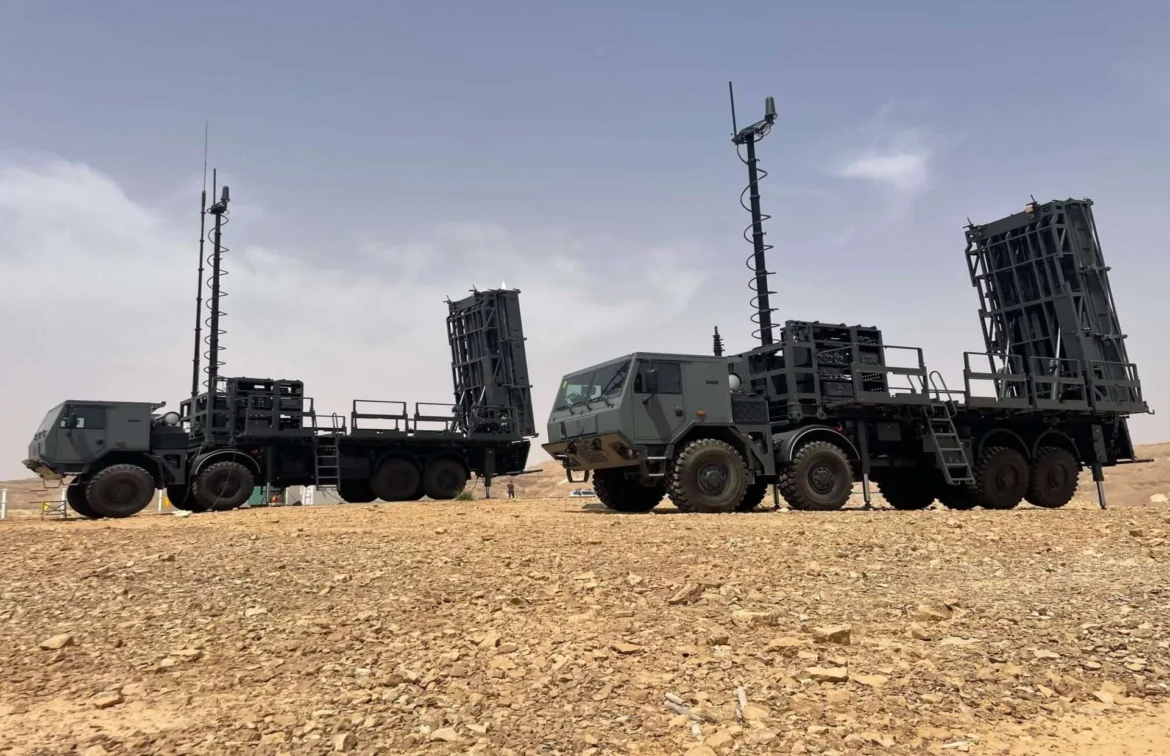
Kenya Receives Israeli SPYDER Air Defense in $26M Deal

by Nelson Ugwuagbo December 23, 2025
written by Nelson Ugwuagbo

Kenya has taken delivery of an Israeli-made SPYDER surface-to-air missile system, significantly strengthening its air-defence capability amid growing regional security concerns.

The acquisition, reported by Kenyan media on December 15, 2025, was financed through a government-backed Israeli loan estimated at about $26 million (approximately KSh3.4 billion), according to Treasury disclosures. The funding structure indicates a formal state-to-state defence procurement rather than a goodwill or ceremonial transfer.

The missile system is expected to enhance Kenya’s ability to protect strategic assets, including military air bases, ports, and other critical infrastructure, against threats from aircraft and unmanned aerial vehicles.

Treasury records further show that the same Israeli financing facility accounts for nearly 70 per cent of the Ministry of Defence’s development budget for the 2025/26 fiscal year, while also outlining Kenya’s repayment commitments under the external loan arrangement. Although some local reports have described the system as a political “gift” following high-level diplomatic engagements, official financial documents point to a structured and repayable defence deal.

The SPYDER system, manufactured by Israeli defence firm Rafael, is equipped with two types of interceptors: the PYTHON-5 missile, which uses imaging infrared and CCD seekers for passive targeting, and the I-DERBY missile, which employs active radar homing for all-weather, fire-and-forget engagements.

Designed as a highly mobile air-defence platform, SPYDER can engage multiple targets simultaneously and provides 360-degree coverage. Depending on configuration, the system is advertised to have engagement ranges of up to 80 kilometres, along with strong resistance to electronic countermeasures.

In its all-in-one configuration, the system can be mounted on a single 8×8 vehicle carrying up to eight missile canisters, with rapid deployment capability and the ability to transition from movement to combat readiness within minutes.

December 23, 2025 0 comments
0 FacebookTwitterPinterestThreadsBlueskyEmail
Africa & World

Saudi Arabia secretly expands access to its only alcohol store for non-Muslim residents

by Folarin Kehinde December 22, 2025
written by Folarin Kehinde

Saudi Arabia has quietly expanded access to its only store that sells alcohol, allowing wealthy foreign residents to buy booze in the latest step in the once-ultraconservative kingdom’s experiment in liberalization.

There’s been no official announcement of the decision, but word has gotten out, and long lines of cars and people can now be seen at the discreet, unmarked store in the Diplomatic Quarter of the Saudi capital, Riyadh.

The store opened in January 2024 for non-Muslim diplomats. The new rules allow non-Muslim foreigners who hold Premium Residency to buy. The residency permit goes to foreigners with specialized skills, investors and entrepreneurs.

The store opened in January 2024 for non-Muslim diplomats. The new rules allow non-Muslim foreigners who hold Premium Residency to buy. The residency permit goes to foreigners with specialized skills, investors and entrepreneurs.

Saudi Arabia, home to the holiest sites in Islam, has banned alcohol since the early 1950s. The store is widely seen as a way to cautiously test the controlled sale of alcohol.

Saudi Arabia’s de facto ruler, Crown Prince Mohammed bin Salman, and his father, King Salman, have pursued a dramatic liberalization policy in the kingdom, aiming to attract tourism, boost international business and reduce economic dependence on crude oil.

The kingdom, which adheres to Islamic Sharia law, has opened movie theaters, allowed women to drive and hosted major music festivals. But political speech and dissent remain strictly criminalized, potentially at the penalty of death.

Alcohol remains banned for the general public

The unmarked store resembles a duty-free shop. Its ownership remains officially undisclosed.

Security is strict. Every visitor is subject to eligibility checks and frisking before entry. Phones and cameras are banned inside, and staff even inspect eyewear for smart glasses.

The Associated Press spoke to several customers leaving the store. They spoke on condition of anonymity because of the stigma around alcohol.

Prices are sharply elevated, they said. Diplomats are exempt from taxes on their purchases, but Premium Residency holders are not.

The customers described the store as relatively well-stocked, though some said the selection of beer and wine was limited.

The Premium Residency permit was created as part of the kingdom’s drive to attract global expertise. Unlike other residencies, it doesn’t require a Saudi sponsor, and it offers benefits including the right to own property, start a business and sponsor family. It requires high incomes or large investments to qualify.

Saudis and other residents who want a drink often travel to the neighboring island of Bahrain, where alcohol is legally available to Muslims and non-Muslims. On weekends and holidays, the island sees an influx of visitors from Saudi Arabia and across the Gulf, making it a popular getaway. The more expensive option is to go to Dubai in the United Arab Emirates.

Others resort to smuggled alcohol, which can be extremely expensive, or to bootleg booze — often homemade and risky, using unsafe materials.

Some people in Saudi Arabia enjoy alcohol-free beverages as a substitute for the real thing or to capture the aesthetic of drinking, often snapping photos for social media.

At major events and festivals, it’s not uncommon to see long lines forming at alcohol-free beer stands, especially among young Saudis and visitors looking to partake in the vibe.

King Abdulaziz, Saudi Arabia’s founding monarch, banned the sale after a 1951 incident in which one of his sons, Prince Mishari, became intoxicated and used a shotgun to kill British vice consul Cyril Ousman in Jeddah.


December 22, 2025 0 comments
0 FacebookTwitterPinterestThreadsBlueskyEmail
HeadlinesAfrica & World

India Orders $570 Million Payout in Major Fraud Case Against Nigeria’s Sterling Oil

by Leading Reporters November 27, 2025
written by Leading Reporters

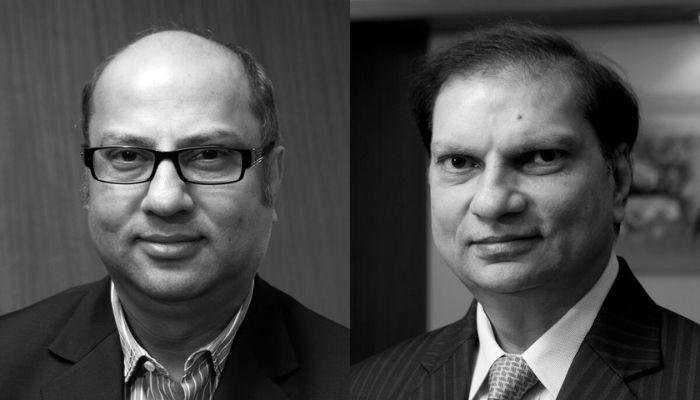
In a sweeping move, India’s Supreme Court has allowed billionaire siblings Nitin and Chetan Sandesara to evade full prosecution in a massive alleged bank-fraud scheme if they settle with a payment equal to about one-third of their assessed debt.

The ruling, which allows the pair to settle for about $570 million on liabilities pegged at $1.6 billion, could end years of criminal proceedings that New Delhi has pursued across multiple jurisdictions.

The ruling could open the way for economic offenders to strike similar settlements, leaving lenders struggling to recover their entire dues, said Debopriyo Moulik, a Supreme Court lawyer in independent practice, told Reuters.

“This is very similar to the approach adopted in foreign countries where fines are an alternative to facing trial,” Moulik said.

For the industrialists, the decision marks the closest India has come to resolving a scandal that has stretched from Mumbai to Abuja and into the offshore oil fields of West Africa.

Yet the brothers’ fortunes have never been brighter.

Far from the Indian courts that have hounded them since 2017, the Sandesaras have built one of Nigeria’s largest independent oil producers, turning a once-minor set of onshore licenses into a sprawling African energy empire delivering tens of thousands of barrels of crude a day.

Their success in Africa, combined with Nigeria’s persistent refusal to extradite them, has long frustrated Indian authorities and underscored how geopolitical and commercial interests have shielded the pair from consequences at home.

Nigeria, Africa’s top crude producer, has embraced the Sandesaras even as India brands them fugitives responsible for what investigators call “one of the largest economic scams in the country.”

Their flagship companies, Sterling Oil Exploration & Production Co. and Sterling Global Oil Resources Ltd, pump roughly 50,000 barrels of crude daily, according to a 2023 Bloomberg report, operating under contracts with the Nigerian National Petroleum Company.

The brothers’ rise in Nigeria accelerated after they pivoted away from India in the mid-2010s. What began almost 20 years earlier with two modest onshore licences in the Niger Delta matured into a vertically integrated drilling and crude-export business.

The Sandesaras transferred operations to Lagos, hired the former head of Nigeria’s petroleum regulator to oversee their expansion, and secured major state contracts that cemented their standing in the country’s energy sector.

Their companies now rank among Nigeria’s top oil exporters, and in 2019 the government said taxes and royalties paid by Sandesara-linked entities accounted for 2 percent of national revenue.

According to the Indian Times, their operations have also cleverly sidestepped the endemic sabotage of Nigeria’s pipeline network by shipping crude via barges to a floating offshore storage vessel. The approach has allowed them to keep exports steady even as peers disrupted by oil theft and militant activity scaled back.

Nigeria has also doubled down on the Sandesaras’ involvement in its future oil ambitions. Government officials last year announced the discovery of as many as 1 billion barrels of crude in the country’s arid northeast, part of a multi-billion-dollar hydrocarbons push that relies partly on drilling contractors connected to the brothers.

To New Delhi, the brothers are not pioneers but perpetrators of a sweeping financial fraud. Indian agencies allege the Sandesaras built their now-collapsed domestic conglomerate, Sterling Group, with the help of fabricated documents, inflated valuations, and an intricate network of shell structures designed to siphon overseas cash.

The brothers deny any wrongdoing and say they are victims of political persecution.

The Central Bureau of Investigation (CBI) claims the group owed more than 140 billion rupees ($1.7 billion) to state-owned lenders, including State Bank of India, Union Bank of India, and Bank of Baroda.

A 2019 charge sheet accused the family of channeling loan proceeds into offshore ventures, including their Nigerian oil operations.

The same banks later pursued the group abroad, winning two UK High Court rulings in 2018 and 2021 that ordered Sandesara-linked companies to repay nearly $60 million after defaulting on obligations related to the Sterling Oil business.

India also sought the brothers’ extradition from Nigeria. But in a blow to New Delhi’s efforts, Nigerian officials in 2018 refused to arrest them, saying India’s allegations “appeared to be political in nature,” according to correspondence published by the Organised Crime and Corruption Reporting Project and reviewed by Bloomberg.

The brothers subsequently applied for Nigerian citizenship, according to CBI filings.

November 27, 2025 0 comments
0 FacebookTwitterPinterestThreadsBlueskyEmail
Tanzania
Africa & World

Tanzania Eases Curfew and Internet Blackout After Deadly Post-Election Violence

by Nelson Ugwuagbo November 4, 2025
written by Nelson Ugwuagbo

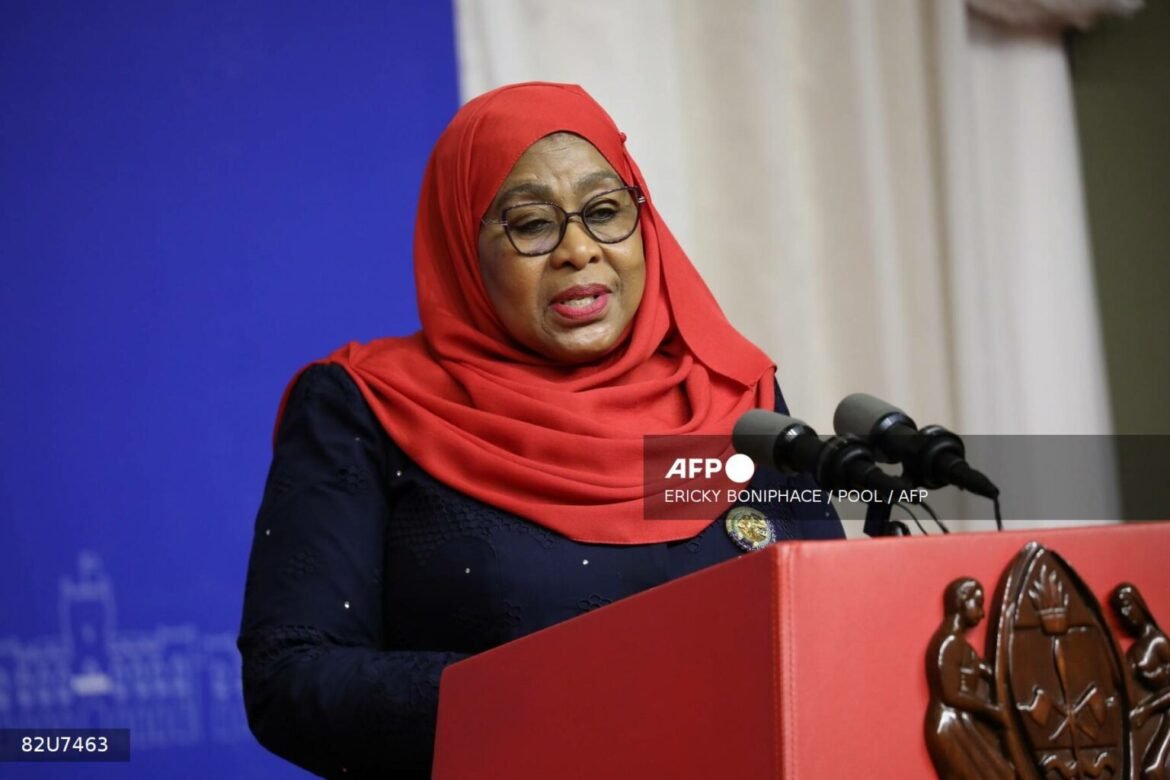
Tanzania began easing restrictions on Tuesday, partially lifting a curfew and restoring limited internet access following days of deadly unrest that erupted after the country’s general election.

The violence, which the opposition claims has left hundreds dead, broke out after the October 29 poll that saw President Samia Suluhu Hassan declared the winner with 98 percent of the vote — a result opposition parties have dismissed as a “sham.”

A total internet blackout imposed on election day has been partially lifted, though access remains unstable and independent verification of reports from the country is still difficult.

An AFP correspondent in Dar es Salaam reported a gradual return to normalcy in the commercial capital, even as tension lingered. Long queues were seen at reopening petrol stations amid soaring prices, with private tuk-tuks and motorbikes filling transport gaps.

Security forces were still visible in several parts of the city, though their presence had notably decreased compared to previous days.

Internet connectivity appeared to be returning intermittently, allowing the circulation of graphic images allegedly from the protests on social media

November 4, 2025 0 comments
0 FacebookTwitterPinterestThreadsBlueskyEmail
Africa & World

Pro-Biafra: Austrian Economist Fehlinger Urges EU, US to Recognise Biafra Republic

by Folarin Kehinde November 4, 2025
written by Folarin Kehinde

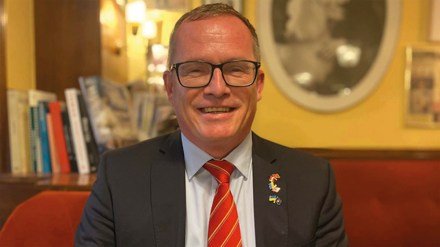
An Austrian economist and NATO enlargement advocate, Gunther Fehlinger-Jahn, has called on the European Union and the United States to recognise a “Biafra Republic,” describing Nigeria as a “failed state” and urging Western powers to apologise for their role in the 1967–1970 civil war.

Fehlinger, who describes himself as Chairman of the Austrian Committee for NATO Enlargement for Austria, Ukraine, Kosovo, Bosnia and the European Union, made the appeal in a social media post that has since generated reactions across diplomatic and political circles.

“I call the EU to recognise the Biafra Republic emerging out of failed Ex-Nigeria. We failed Biafra in 1967 to 1970 during their liberation war to our eternal shame,” he wrote, adding that the international community should “apologise by recognising Biafra’s independence.”

The activist accused what he called “Nigerian oligarchs backed by British and French oil interests” of perpetuating the suffering of people in the South-East region, saying Western powers must take responsibility for their inaction during the Biafra conflict more than five decades ago.

While his comments have sparked online debate, fact-checking outlets have clarified that Fehlinger’s committee is not an official body of the North Atlantic Treaty Organisation (NATO) and that he does not hold any formal diplomatic post. NATO has not issued any statement in connection with his remarks.

Fehlinger, who has previously campaigned for Kosovo’s admission into the European Union and NATO, is known for making strong political statements on global issues, including secessionist and self-determination movements in Europe and Africa.

The Nigerian government has not officially responded to his comments as of the time of filing this report.

However, analysts say the statement could reignite discussions on separatist agitations in the South-East, where groups have continued to demand a referendum on Biafra’s self-determination.

Political observers caution that while Fehlinger’s appeal may not carry diplomatic weight, it could influence international perceptions of Nigeria’s unity and governance challenges.

The Republic of Biafra, led by late Colonel Chukwuemeka Odumegwu Ojukwu, existed between May 1967 and January 1970 before being reintegrated into Nigeria following a civil war that claimed millions of lives, mostly civilians.

Successive Nigerian governments have maintained that the country’s unity is non-negotiable, insisting that issues of marginalisation should be addressed through dialogue and constitutional reform, not secession.

As at press time, the Ministry of Foreign Affairs had yet to respond to inquiries on whether it intends to engage the Austrian Embassy over Fehlinger’s remarks.


November 4, 2025 0 comments
0 FacebookTwitterPinterestThreadsBlueskyEmail
King Charles
Africa & World

King Charles Strips Prince Andrew of All Royal Titles

by Nelson Ugwuagbo October 31, 2025
written by Nelson Ugwuagbo

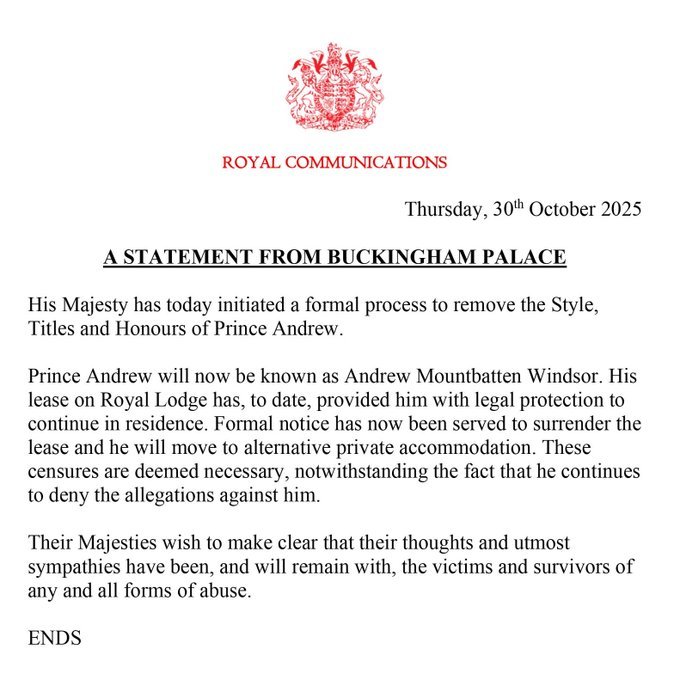
Buckingham Palace announced on October 30, 2025, that King Charles III has initiated the removal of Prince Andrew royal style, titles, and honors, renaming him Andrew Mountbatten Windsor and requiring him to vacate Royal Lodge for private accommodation.

The action follows renewed scrutiny of Andrew over association with Jeffrey Epstein, highlighted by a resurfaced 2011 email and his 2022 settlement with accuser Virginia Giuffre.

The palace expressed sympathy for abuse survivors, while Andrew denies the allegations.

October 31, 2025 0 comments
0 FacebookTwitterPinterestThreadsBlueskyEmail
Africa & World

BREAKING: 92-Year Old Paul Biya Declared Winner of Cameroon Presidential Election

by Folarin Kehinde October 27, 2025
written by Folarin Kehinde

Cameroon’s long-serving president, Paul Biya, has been declared winner of the country’s presidential election, extending his rule for another seven years.

The 92-year-old leader secured 53.7 percent of the total votes, according to results announced by the Constitutional Council on Monday.

This marks Biya’s eighth consecutive term in office, making him one of the world’s oldest and longest-serving leaders.

His main challenger, former minister Issa Tchiroma Bakary, came second with 35.2 percent of the votes.

Tchiroma, however, had earlier declared himself the winner just days after the October 12 election, claiming he secured 54.8 percent of the votes.

His supporters have since taken to the streets, demanding that the government respect what they describe as the “real” results of the polls.

Tensions escalated on Sunday in the port city of Douala when protesters clashed with security forces. At least four people were reported dead in the violence. Witnesses said security agents initially fired tear gas before using live rounds to disperse demonstrators.

The election, which many analysts had predicted would favour Biya, has been described by critics as another example of Cameroon’s tightly controlled political system.

Opposition parties have long accused the ruling government of manipulating electoral processes to retain power.

Paul Biya has ruled Cameroon since 1982, making him the only second president in the country’s history since its independence from France in 1960.

His government has faced years of criticism over alleged corruption, economic inequality, and a separatist conflict in the English-speaking regions.

As of the time of this report, Biya’s camp has yet to make a detailed statement about the unrest following the declaration of results, while opposition leaders continue to call for calm and transparency.


October 27, 2025 0 comments
0 FacebookTwitterPinterestThreadsBlueskyEmail
Iran official
Africa & World

Iranian Official Under Fire After Daughter’s Lavish Western-Style Wedding

by Nelson Ugwuagbo October 23, 2025
written by Nelson Ugwuagbo

Allegations of hypocrisy have engulfed senior Iranian leader Rear Admiral Ali Shamkhani following the circulation of videos from his daughter’s wedding, held in April 2024.

The event, which quickly went viral on social media, sharply contrasted with the stringent cultural and religious norms enforced on ordinary Iranian citizens—particularly women.

In the footage, the bride is seen wearing a Western white gown with no hijab and bare arms, participating in a ceremony more reminiscent of Western traditions than Islamic or Sharia customs. Shamkhani himself is seen walking his daughter down the aisle, a practice uncommon and largely discouraged in Iran.

Shamkhani, who previously served as secretary of the National Security Council and currently represents Iran’s Supreme Leader on the National Defense Council, is widely viewed as a central figure in shaping and enforcing conservative social policies. Publicly, he has advocated strict adherence to Islamic dress codes and modesty laws.

The controversy recalls the 2022 protests that erupted after the death of Mahsa Amini, a young woman detained by Iran’s morality police for allegedly wearing her hijab improperly.

Her death in custody triggered nationwide demonstrations demanding reform. The government’s response was widely condemned: hundreds of protesters were arrested, and many reported torture, sexual violence, and mistreatment by security forces.

Shamkhani held a leadership position in national security at the time of the crackdown.

The wedding underscores a stark, long-standing double standard within Iran’s ruling class—one set of rules for citizens, another for the elite.

Online backlash has been swift and widespread, with moderate voices condemning the hypocrisy and conservative factions questioning the family’s “liberal” choices.

In response to mounting criticism, Shamkhani posted a profanity-laced message on social media declaring, “I am still alive,” and suggested that Israel may have leaked the footage. The claim has not been substantiated.

Observers point out that Iran is not unique: across the globe, politicians continue to regulate and politicize women’s bodies while privately exempting themselves and their families from similar restrictions.

For many Iranian women, the wedding represents a painful reminder that equality remains conditional—reserved only for those close to power.

October 23, 2025 0 comments
0 FacebookTwitterPinterestThreadsBlueskyEmail
Yemi Osibanjo
Africa & World

ECOWAS Appoints Prof. Osinbajo to Lead Election Observation Mission in Côte d’Ivoire

by Nelson Ugwuagbo October 20, 2025
written by Nelson Ugwuagbo

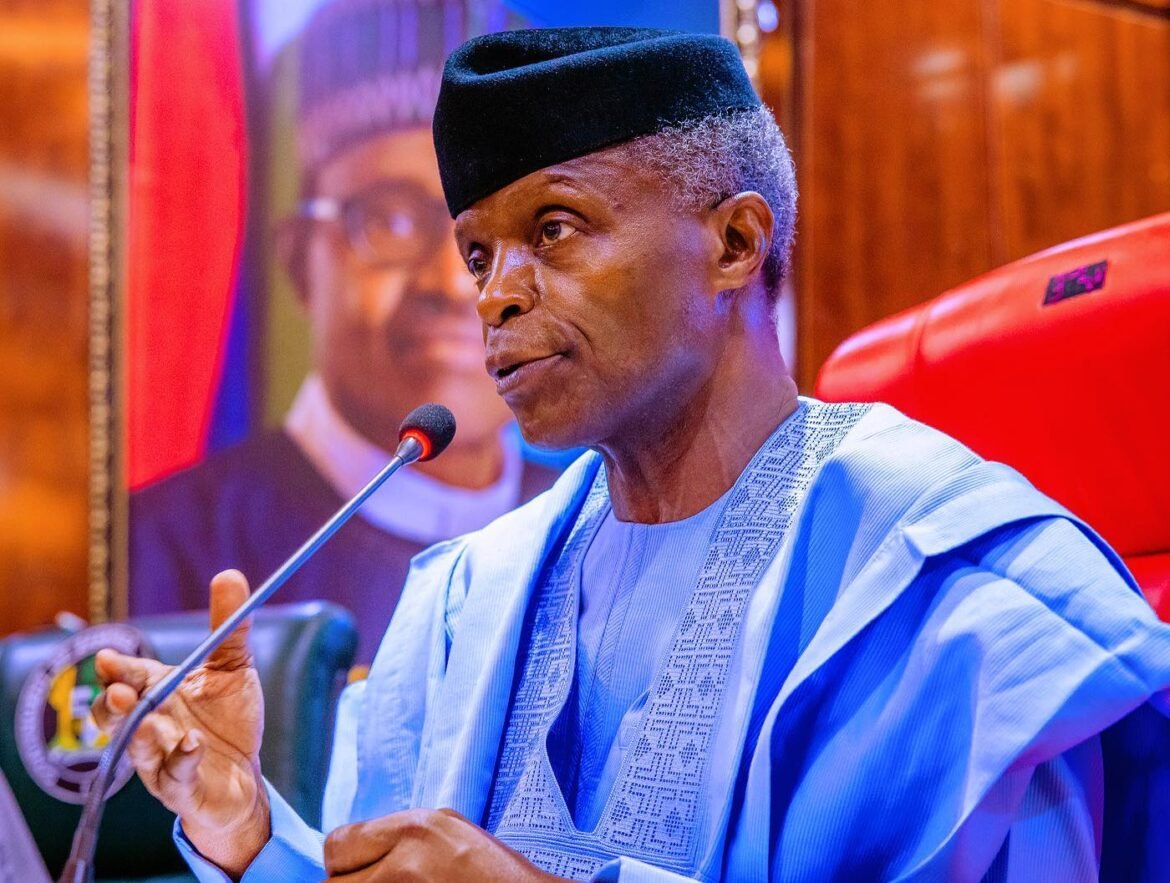
The Economic Community of West African States (ECOWAS) has appointed Nigeria’s former Vice President, Professor Yemi Osinbajo, as Head of its Election Observation Mission for the upcoming presidential election in Côte d’Ivoire.

According to a statement released by ECOWAS, the Ivorian presidential election is scheduled to take place on October 25, 2025, while the observation mission will be deployed from October 19 to 29, 2025, in line with the ECOWAS Supplementary Protocol on Democracy and Good Governance.

As Head of Mission, Osinbajo will lead a team of distinguished West Africans to engage with key national stakeholders, with the aim of fostering a peaceful, transparent, and credible electoral process.

The regional body noted that the delegation will also work closely with international and domestic observer groups to assess the conduct of the polls and ensure adherence to democratic standards.

ECOWAS emphasized that the deployment of the mission reflects its continued commitment to promoting peace, stability, and credible elections across the West African region.

October 20, 2025 0 comments
0 FacebookTwitterPinterestThreadsBlueskyEmail
Africa & World

COP30: Africa Must Lead on Fair Transition Mineral Governance – NRGI

by Folarin Kehinde October 13, 2025
written by Folarin Kehinde

Africa Deputy Director at the Natural Resource Governance Institute (NRGI), Ibrahima Aidara has called on African nations to seize the opportunity presented by the global demand for transition minerals.

Aidara emphasized a shift from mere extraction to value addition, local job creation, and sustainable economic diversification.

Speaking at a press briefing ahead of COP30, Aidara stressed Africa’s critical role in shaping a more equitable global mineral supply chain.

“Africa’s role in the global supply chain for transition minerals has largely been confined to raw material extraction, with limited value addition or local job creation,” he stated. “But for African producing countries, the rising demand for these minerals could help diversify economies and meet urgent energy needs.”

Aidara urged the Africa Group of Negotiators, under Tanzania’s leadership, to take decisive action.

“We see everything in place for the Africa Group to adopt specific proposals strengthening the global governance of transition minerals ahead of COP30.

They should table these proposals, starting today at the Pre-COP in Brasilia, and reach out to other Party groupings,” he said. “We need leadership, the stakes are high.”

Anabella Rosemberg of the Climate Action Network on her part emphasized the need to shift from rhetoric to implementation on just transition, while Angela Asuncion of the Resource Justice Network highlighted the risks faced by communities and defenders in mineral-rich regions like the Philippines.

Angela Asuncion, Asia Pacific Coordinator for the Transition Mineral Accountability Working Group at RJN, warned of the mounting risks faced by communities in mineral-rich but vulnerable regions such as the Philippines.

“Transition mineral-rich nations such as the Philippines remain among the world’s most climate-vulnerable and deadliest places for land defenders and activists,” she said. “The insatiable demand for mining under the guise of the energy transition only heightens the risk of violence for those courageously protecting their livelihoods and our future.”

Asuncion called on COP30 negotiators to confront the material dimensions of the Paris Agreement, ensuring that human rights, environmental safeguards, and equity are prioritized throughout the entire mineral supply chain.


October 13, 2025 0 comments
0 FacebookTwitterPinterestThreadsBlueskyEmail
Newer Posts
Older Posts

Recent Posts

  • Jabi Lake takeover stands even if God comes down – Wike

    May 6, 2026
  • Fuel Scarcity Looms As Dangote Refinery Hikes Fuel Price to N1350

    May 6, 2026
  • Why I moved to Kenya – Femi Lazarus

    May 5, 2026
  • IGP scraps SWAT nationwide

    May 5, 2026
  • 17 Reps Dump ADC for NDC

    May 5, 2026

Usefull Links

  • Contact Page
  • About Leading Reporters
  • Contact Us
  • Headlines
  • Investigation
  • Exclusives
  • Opinion
  • Business
  • Facebook
  • Twitter
  • Instagram
  • Linkedin

@2021 - All Right Reserved. Designed and Developed by PenciDesign


Back To Top
Leading Reporters
  • Featured
  • Politics
  • Opinion
  • Business
  • Entertainment
  • Sports
  • About Us
  • Contact