


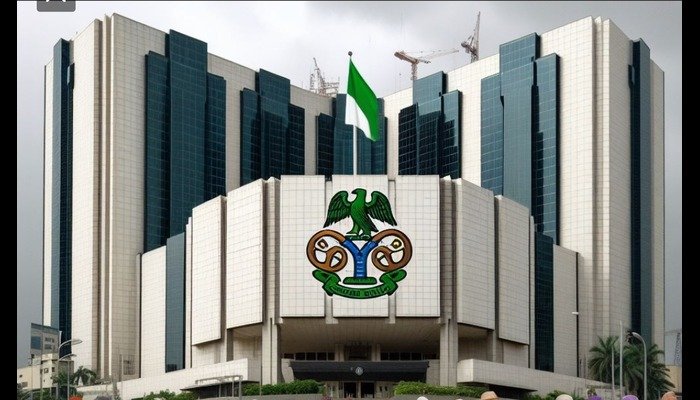
The Central Bank of Nigeria (CBN) has asked commercial banks to restrict loan defaulters, specifically large-ticket obligors, from accessing credit facilities.
A large ticket obligor is a borrower (an individual or company) that owes a very large amount of money to a bank.
The latest instruction comes almost a week after the CBN asked financial institutions to stress test.
It is uncertain if the two directives are connected or what may have triggered the loan-related instruction, but the apex bank said it furthers its mandate to protect Nigeria’s financial system.
“In furtherance of its mandate to promote a sound financial system, protect depositors, and enhance prudential compliance within the banking sector, the Central Bank of Nigeria (CBN) hereby directs all banks to restrict non-performing large ticket obligors, whose activities pose systemic risk to the financial system, from accessing specified banking services,” the circular reads in part.
On strengthening collateral coverage, the CBN asked financial institutions to obtain additional realisable collateral from such obligors to adequately secure existing exposures.
The CBN said large ticket obligors are borrowers whose exposures are as defined under Clause 3.2 (d) of the prudential guidelines for deposit money banks in Nigeria 2010, or a customer with a combined exposure across banks, as shown in the credit risk management system (CRMS), and/or as shown in the reports of a licensed private credit bureau, “that exceed the Single Obligor Limit (SOL), which materially affect a bank’s Capital Adequacy Ratio (CAR) or otherwise pose a systemic risk to the financial system”.
“This directive reinforces earlier measures, particularly the circular titled “Prohibition of Loan Defaulters from Further Access to Credit Facilities in the Banking System” issued on June 30, 2014 (Ref: BSD/DIR/GEN/LAB/07/015). This is to ensure consistency and effectiveness in curbing credit abuse by large-ticket obligors,” the circular further reads.
