
Despite constant claims of underfunding in Nigeria’s (Water, Sanitation and Hygiene) WASH sector, Self Help Africa has stated that more than $500 million in World Bank-backed financing remains untouched by state governments.
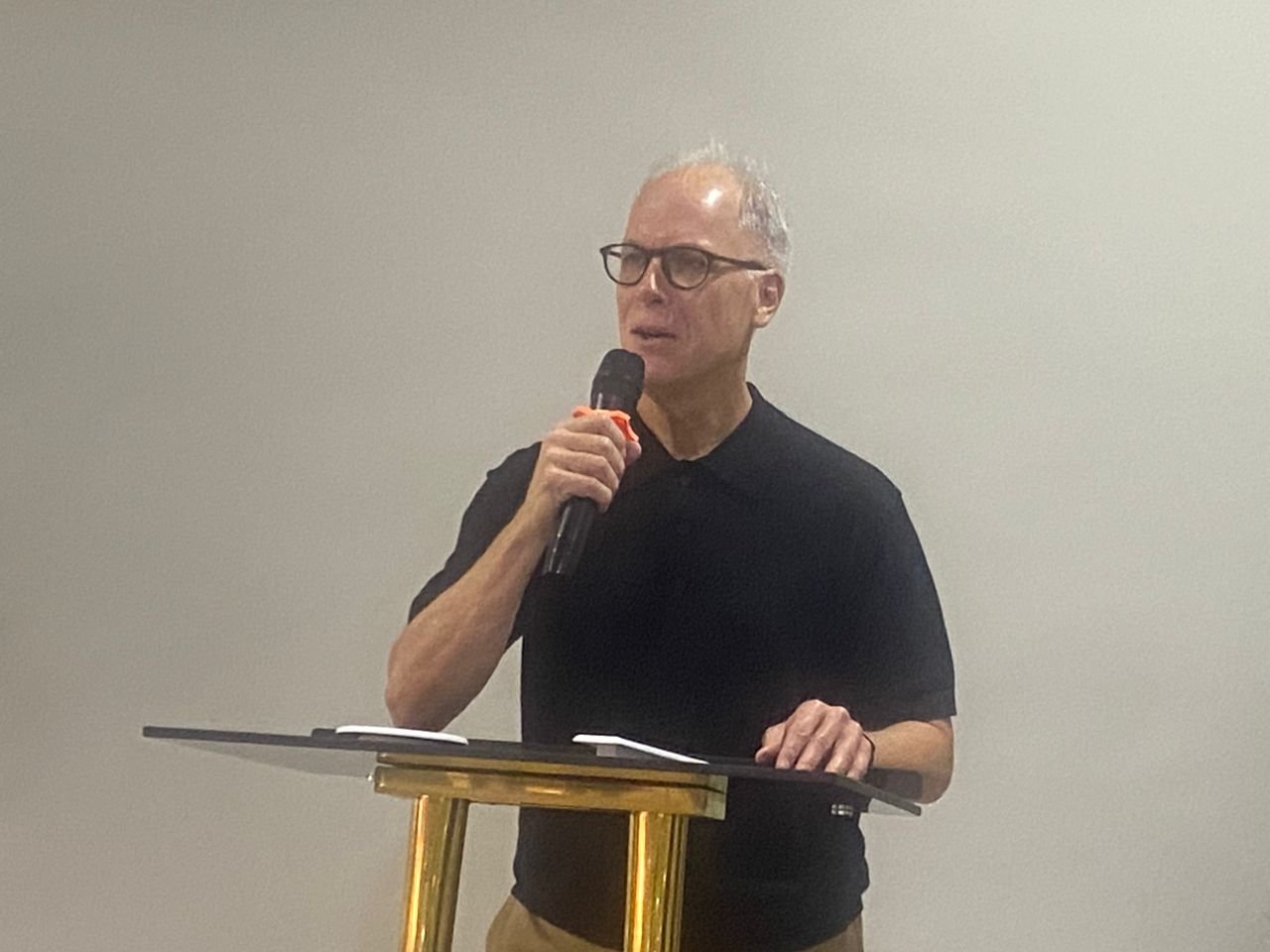
Head of Programmes, Self Help Africa, Shadrack Guusu, while speaking in Abuja on Monday at the WASH learning forum lamented the chronic inability of states to access funds already available to them under the $700 million SURWASH programme.
“A lot of people look at funding as a gap in the water sector. It’s partly true, but on the other hand, it’s not so true, because currently we have a World Bank project, World Bank-supported Nigeria program called the SURWASH. The SURWASH is about, I might miss the exact figure, but it’s about 700 million US dollars program.
“For four years, all the states on the SURWASH program have not been able to draw down up to 200 million USD from this program. And we have a bulk of money, over 500 million USD, just lying down without being able to draw it. So will you say there’s no funding?
He described the situation as a stark example of deeper systemic weaknesses, pointing to limited technical capacity at state level, weak programme design skills, and poor leadership prioritisation.
Guusu argued that strengthening subnational systems state governments, local councils and the actors responsible for translating national policies into action is the missing piece in Nigeria’s WASH sector.
According to him, while Nigeria continues to debate funding shortages, states have consistently failed to access resources already earmarked for them.
“These are funding opportunities states have not taken advantage of. What is the problem? Technical capacity? Leadership? We need to beam the light on the subnational,” he insisted.
Guusu further highlighted the weakness of Nigeria’s local government system, stressing that development at the grassroots would remain stagnant until councils are strengthened financially and administratively.
“Development is local. If it doesn’t trickle down to the local government, we’re wasting our time,” he warned.
He also urged political leaders, especially governors and commissioners, to prioritise WASH services beyond large, politically attractive infrastructure projects.
Guusu however expressed optimism that insights from the forum combined with a high-level learning brief recently presented by the Federal Ministry of Water Resources will influence future policy and planning, especially at the subnational level.
Earlier, Associate Professor in WASH at the University of Leeds Dr. Paul Hutchins explained that the programme is deliberately designed to strengthen government systems rather than directly finance infrastructure.
He noted that decades of donor-funded water projects have suffered from poor sustainability, frequent breakdowns, and heavy dependence on external finance.
“We want to see domestic financing fund most infrastructural services, especially in a country like Nigeria.
“The goal is to make systems more investable, more sustainable, so people receive lasting services.” Hutchins said.
He acknowledged, however, that system-strengthening work takes time and is less politically attractive, which is why FCDO supports extensive research to evaluate its effectiveness.
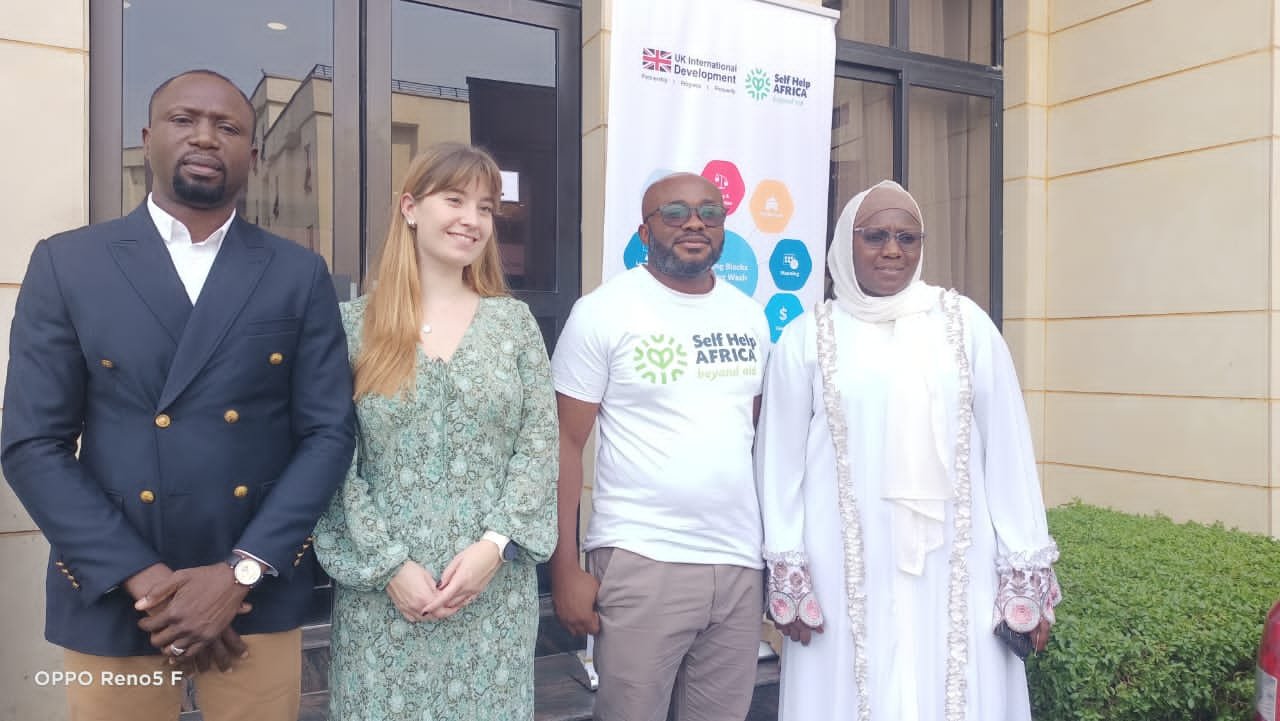
The two-day forum, which brings together WASH partners from Nigeria, Sierra Leone, Malawi, Tanzania, Bangladesh and Nepal, aims to compare progress and share lessons on strengthening WASH systems.

Spotted an error? Read our Corrections Policy or tell the editors.
Got a story or a tip? Contact Leading Reporters. We protect our sources.