
Leading Reporters
  • Headlines
  • Health
  • Business
  • Exclusives
  • Investigation
  • Entertainment
  • Opinion
Tuesday, January 27, 2026
Hot
FCTA Workers, NLC Storm Industrial Court, Demand Wike...
DisCos reject FG’s free meter plan
Nigerian-born nurse loses licence in Australia for sleeping...
BREAKING: Kano Gov Abba Yusuf dumps NNPP
National Grid Collapse For First Time in 2026
BREAKING: Tinubu approves posting of Ambassadors to U.S.,...
Insecurity: Kidnappers demand 17 motorcycles for release of...
FG to Abolish Hnd-Degree Dichotomy, Allow Polytechnics to...
AFCON Initiative drives stronger Nigeria Morocco cooperation
Obasanjo: I’ll Never Stop Having Children
  • About Leading Reporters
  • Contact Us
Leading Reporters
Advertise With Us
  • Headlines
  • Health
  • Business
  • Exclusives
  • Investigation
  • Entertainment
  • Opinion
Hot
FCTA Workers, NLC Storm Industrial Court, Demand Wike...
DisCos reject FG’s free meter plan
Nigerian-born nurse loses licence in Australia for sleeping...
BREAKING: Kano Gov Abba Yusuf dumps NNPP
National Grid Collapse For First Time in 2026
BREAKING: Tinubu approves posting of Ambassadors to U.S.,...
Insecurity: Kidnappers demand 17 motorcycles for release of...
FG to Abolish Hnd-Degree Dichotomy, Allow Polytechnics to...
AFCON Initiative drives stronger Nigeria Morocco cooperation
Obasanjo: I’ll Never Stop Having Children
Leading Reporters
Leading Reporters
  • Headlines
  • Health
  • Business
  • Exclusives
  • Investigation
  • Entertainment
  • Opinion
Copyright 2024 - All Right Reserved
Home > Petroleum
Tag:

Petroleum

Refinery
Business

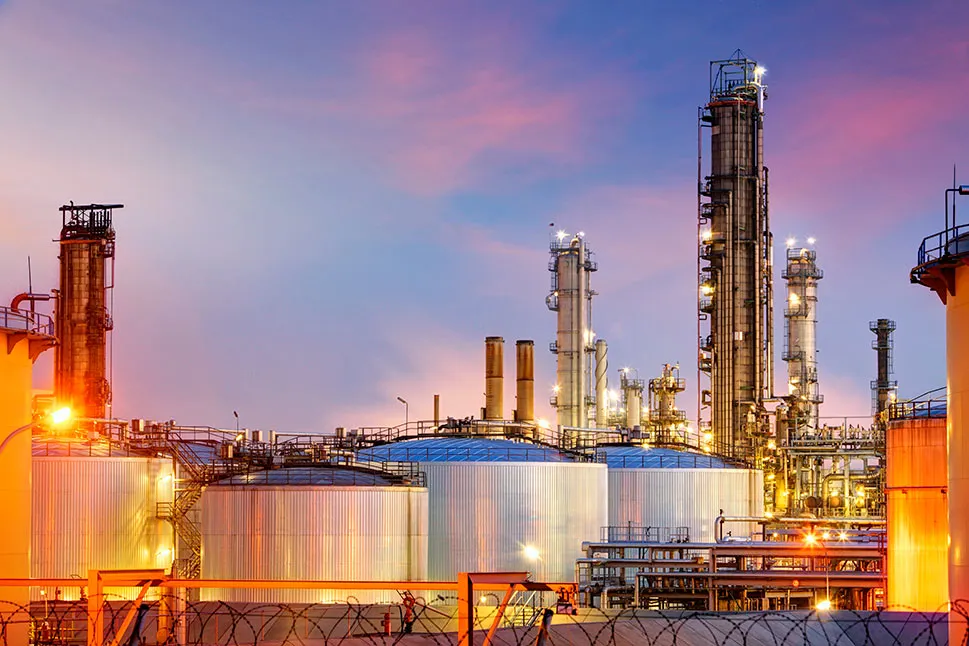
FG Petroleum Imports Crashes 54% to $6.7bn After Improved Local Refining

by Nelson Ugwuagbo January 13, 2026
written by Nelson Ugwuagbo

Nigeria’s spending on the importation of petroleum products has fallen sharply by 54 per cent over the past two years, dropping from $14.58bn in the first nine months of 2023 to $6.71bn in the corresponding period of 2025, according to data from the Central Bank of Nigeria (CBN).

A review of the CBN’s Balance of Payments reports for 2023, 2024 and the third quarter of 2025 shows a steady year-on-year decline in fuel import bills, reflecting reduced foreign exchange outflows linked to petroleum product imports.

The figures indicate that fuel import costs declined from $14.58bn between January and September 2023 to $11.38bn in the same period of 2024, representing a reduction of $3.20bn or 21.9 per cent. The downward trend intensified in 2025, with imports falling further by $4.67bn, or 41 per cent, to $6.71bn within the first nine months of the year.

Overall, Nigeria spent $7.87bn less on refined petroleum product imports in the first nine months of 2025 compared with the corresponding period of 2023, highlighting a significant easing of pressure on foreign exchange outflows.

CBN data also showed a 41 per cent year-on-year decline in refined fuel imports by the third quarter of 2025, signaling early signs of import substitution as new and rehabilitated refineries begin to scale up operations.

The reduction in foreign exchange spending comes amid broader structural reforms and market adjustments aimed at strengthening Nigeria’s external reserves and stabilizing the naira.

For decades, Nigeria depended heavily on imports, particularly refined petroleum products due to limited domestic refining capacity, weak industrial output and underinvestment in critical infrastructure. This reliance made fuel imports one of the largest drains on the country’s foreign exchange earnings.

The removal of petrol subsidies in 2023 marked a major turning point, as higher pump prices reduced consumption and curtailed arbitrage-driven demand. Combined with tighter foreign exchange management by the CBN, the policy shift helped moderate import volumes and speculative FX demand linked to fuel imports.

Analysts also attribute the decline to the gradual expansion of domestic refining capacity in the downstream oil sector. Industry experts note that increased competition, particularly from the $20bn Dangote Petroleum Refinery in Lekki, has intensified pressure on fuel importers and reduced Nigeria’s dependence on imported refined products.

January 13, 2026 0 comments
0 FacebookTwitterPinterestThreadsBlueskyEmail
Headlines

NNPC is Liable for Adulterated Fuel in Circulation, Oversight Failure – CAPPA

by Folarin Kehinde February 10, 2022
written by Folarin Kehinde

The Corporate Accountability and Public Participation Africa (CAPPA) has called on the Nigeria National Petroleum Corporation (NNPC) to own up and take full responsibility for the artificial fuel scarcity currently ravaging the country and the attendant long queues at petrol stations, depressing traffic snarls, and hikes in transportation fares, among other unpleasant consequences.

CAPPA made the call following the February 8, 2022, announcement by the Nigeria Midstream and Downstream Petroleum Regulatory Authority (NMDPRA) that the cause of the latest fuel scarcity is the current effort of the NNPC to recall from circulation and public consumption, over 100 million litres of harmful petroleum products with methanol quantities above Nigeria’s specification.

Media reports indicate that one of the business units of the NNPC imported the adulterated products which was then supplied to oil marketers by the Corporation for onward distribution across the federation.

Before the chapter of contaminated products in circulation, thousands of Nigerians had already besieged fuel stations in anticipation of a looming fuel scarcity premised on the possible removal of fuel subsidy by government, and threats by oil marketers to disrupt distribution upon an increment of ex-depot petrol price.

In a statement issued in Lagos, CAPPA said that the NMDPRA’s admission of contaminated petroleum products in circulation cannot be assuaged by the usual lip-service apologies to Nigerians, and mere withdrawal of the offensive product from circulation.

CAPPA Executive Director, Akinbode Oluwafemi said: “Once again, Nigerians are the victims of an industry that is not transparent and continues to demonstrate collusive lack of oversight on operators in the sector”.

“The disaster of toxic petroleum products in public circulation tellingly spotlights the mindboggling corruption orchestrated by thieving capitalists in the country’s oil sector, the lack of accountability systems in the country that fuel the irresponsibility and negligence of regulators to their oversight responsibilities, and the consequences of Nigeria’s failures to resuscitate its moribund refineries despite being led by a former Minister of Petroleum”.

“The incessant scarcity of petroleum products in Nigeria despite being the largest producer of crude oil in Africa once again lays bare the ineptitude of the ruling elite and unpleasant management systems of regulatory and administrative bodies empowered to exercise oversight of Nigeria’s oil and gas industry. It is a crying shame mainly because Nigeria’s situation is akin to a man who lives on the banks of the river yet washes his hand with spittle!”

CAPPA believes that it is also imperative to flag recent research studies conducted by veritable institutions that exposed the horrible fact that Nigeria’s dependence on imported petroleum products has created an international market of ‘’European refineries and commodity brokers’’ who collude with importers of petroleum products to ‘’blend crude oil with benzene and other carcinogenic chemicals that create fuels hundred times over limits’’. A situation that is causing significant particulate pollution in the environment and damage to cars.

A July 2020 report of the British newspaper, The Guardian reveals, this is not a new development as Nigeria has for long been a destination for “low-grade, dirty fuel, made in Dutch, Belgian, and other European refineries” which are found on the average too often exceed “EU pollution limits by as much as 204 times, and by 43 times the level for gasoline”.

Consequently, Nigeria ranks fourth in the world for deaths caused by air pollution with at least “114, 000 people dying prematurely from air pollution each year”.

Meanwhile, Nigeria not only ranks as the 6th largest crude oil producer in the world but also boasts of a crude oil reserve that majorly consists of the high quality, low sulfur “Bonny Light” crude which is sought all over the world because of its low corrosive effects on refinery infrastructure and low environmental impact of its byproducts.

Unfortunately, this is not available to Nigerians as 2 million barrels per day of this highly valued crude oil is daily extracted and exported out of the country by oil majors for consumption by the European populace.

The situation expressed above illustrates the paradox that continues to attend Nigeria’s oil and gas sector despite recent reforms including the signing of the Petroleum Industry ACT (PIA) 2021.

We are of the strong opinion that this present scarcity calls for a holistic reevaluation and redirection of the way and manner Nigeria’s oil and gas sector is being run.

CAPPA is not satisfied with the mere recall of the contaminated products which many Nigerians have already procured and will likely cause damage to their vehicles and other fuel-reliant machines. We call on the Federal government to issue appropriate sanctions against the culprit-supplier of the contaminated fuel product, and officials of the NNPC and other relevant national regulators for failing in their oversight functions.

Furthermore, we urge state authorities to boost efforts to resuscitate local refineries to ensure Nigeria’s access to affordable fuel products, end the opaque subsidy regime, arrest perpetual occurrences of fuel scarcity, and protect the environment from the harmful effects of the “dirty” fuel imported from Europe.

We demand adequate compensation for citizens whose cars, generators, and other fuel-reliant appliances may have been adversely affected by the adulterated petroleum product in circulation.

February 10, 2022 0 comments
0 FacebookTwitterPinterestThreadsBlueskyEmail

Recent Posts

  • FCTA Workers, NLC Storm Industrial Court, Demand Wike Sack

    January 26, 2026
  • DisCos reject FG’s free meter plan

    January 26, 2026
  • Nigerian-born nurse loses licence in Australia for sleeping on duty

    January 24, 2026
  • AI may outsmart humanity in five years — Musk

    January 24, 2026
  • BREAKING: Kano Gov Abba Yusuf dumps NNPP

    January 23, 2026

Usefull Links

  • Contact Page
  • About Leading Reporters
  • Contact Us
  • Headlines
  • Investigation
  • Exclusives
  • Opinion
  • Business
  • Facebook
  • Twitter
  • Instagram
  • Linkedin

@2021 - All Right Reserved. Designed and Developed by PenciDesign


Back To Top
Leading Reporters
  • Featured
  • Politics
  • Opinion
  • Business
  • Entertainment
  • Sports
  • About Us
  • Contact