Leading Reporters
  • Headlines
  • Health
  • Business
  • Exclusives
  • Investigation
  • Entertainment
  • Opinion
Wednesday, February 11, 2026
Hot
Engine Failure: Passengers escape death as Arik Air...
Senate adopts electronic, manual transmission of election results
BURSTED: NSITF CEO MOVES On ₦297Billion Fund, Operates...
Peter Obi joins #OccupyNationalAssembly protest over electronic transmission...
Tension As Popular Gospel Singer, 3 crew members...
2027: Wike Establishes Radio Station For Tinubu Campaign...
2026 budget: Borno Govt allocates N150m to feed...
Former NEXIM MD bags 490-year jail term
Three Die as Lassa Fever Breaks Out in...
EFCC Arrests Kannywood Actress for Using Naira to...
  • About Leading Reporters
  • Contact Us
Leading Reporters
Advertise With Us
  • Headlines
  • Health
  • Business
  • Exclusives
  • Investigation
  • Entertainment
  • Opinion
Hot
Engine Failure: Passengers escape death as Arik Air...
Senate adopts electronic, manual transmission of election results
BURSTED: NSITF CEO MOVES On ₦297Billion Fund, Operates...
Peter Obi joins #OccupyNationalAssembly protest over electronic transmission...
Tension As Popular Gospel Singer, 3 crew members...
2027: Wike Establishes Radio Station For Tinubu Campaign...
2026 budget: Borno Govt allocates N150m to feed...
Former NEXIM MD bags 490-year jail term
Three Die as Lassa Fever Breaks Out in...
EFCC Arrests Kannywood Actress for Using Naira to...
Leading Reporters
Leading Reporters
  • Headlines
  • Health
  • Business
  • Exclusives
  • Investigation
  • Entertainment
  • Opinion
Copyright 2024 - All Right Reserved
Home > Egypt
Tag:

Egypt

Headlines

Power Generation: We will copy Egypt’s model – FG

by Folarin Kehinde March 24, 2025
written by Folarin Kehinde

The Federal Government says it will learn power generation and transmission from Egypt which it described as a role model in the sector.

The government also has reaffirmed its commitment to rural development through improved electricity access.

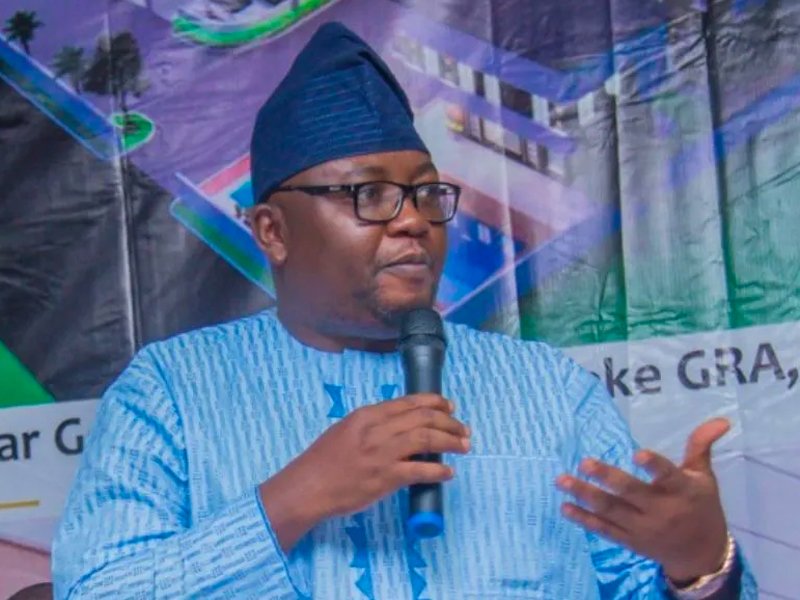
The Minister of Power, Adebayo Adelabu, disclosed this during a recent meeting in Abuja with the Egyptian Ambassador to Nigeria, Mohammed Fouad.

A statement by Adelabu’s spokesperson, Bolaji Tunji, said on Sunday that the meeting centered on strengthening bilateral cooperation in energy expansion, with a focus on renewable energy and rural electrification.

Adelabu commended Egypt’s achievements in the energy sector, describing the country as a role model in energy infrastructure development.

He expressed Nigeria’s interest in learning from Egypt’s experience in energy generation, transmission, and distribution, adding that the success in Egypt led to the engagements with Siemens with a view towards stabilising Nigeria’s power sector.

“Egypt has made remarkable strides in energy transformation, and we are eager to collaborate and learn from your expertise. Our goal is to ensure reliable, stable, and affordable energy access for all Nigerians,” he added.

Adelabu highlighted Nigeria’s efforts to connect remote rural areas to power through renewable energy initiatives, citing the economic challenges of extending the national grid to these regions.

“Many rural areas cannot be connected to the grid due to economic constraints, but we cannot neglect them. Through our renewable energy programme, we are bridging this gap. We have secured significant investments, including $750m from the World Bank’s DARES project and an additional $190m from the Japan International Cooperation Agency to support this initiative,” Adelabu stated.

He emphasised Nigeria’s abundant renewable energy resources, including solar, wind, and hydroelectric potential, expressing the government’s determination to harness these resources for sustainable energy access.

Speaking, Fouad expressed Egypt’s enthusiasm for collaborating with Nigeria, particularly in closing the metering gap and sharing best practices in energy access.

He emphasised the shared goals and mutual benefits of strengthening bilateral ties between the two nations.

“Nigeria and Egypt have much in common, and there is immense potential for collaboration in the energy sector. We are committed to working together to achieve sustainable energy solutions for both countries,” Fouad said.

March 24, 2025 0 comments
0 FacebookTwitterPinterestThreadsBlueskyEmail
Headlines

Nigerians are getting poorer contrary to Buhari’s claim

by Leading Reporters August 2, 2021
written by Leading Reporters

The good people of Nigeria will remain very poor for a long time to come, the 2021 report of the United Nations (UN) Sustainable Development Goals (SDGs) revealed.

Nigeria’s chances of achieving Goal 1 of the SDGs, which is the attainment of zero poverty among its people by the year 2030, appear slim, as the country’s poverty headcount is soaring high still, instead of reducing. 

The latest sustainable development report ranked Nigeria low at the 160th position out of 165 countries. The leadership of countries all over the world, through the UN, had committed themselves to achieve all the 17 SDG goals by the end of 2030.

The SDG report revealed that the Nigerian government is not effective at all in lowering poverty among its people if it is making any effort at all. Instead, the leadership in Nigeria is supervising increasing poverty in the country. 

Data showed that 43% of Nigeria’s estimated 206.1 million population is living below the lowest poverty threshold which is $1.90 a day. That is to say, more than 4 out of every 10 Nigerians live on less than N779, using the Central Bank of Nigeria’s official exchange rate of N410.

The outcome of the poverty headcount is far worse when it is based on the next international poverty threshold of $3.20. The UN data revealed that 74% of the country’s population survive on less than $3.20 or N1,312 a day. That means according to international standards, more than 7 persons out of every 10 Nigerian are poor. 

The recent SDG 1 figures present Nigerians as poorer than their fellow Africans in four other African countries from the North, South, East and West of the continent, namely Egypt, South Africa, Kenya and Ghana.

“In the last two years we lifted 10.5 million people out of poverty” True or False?

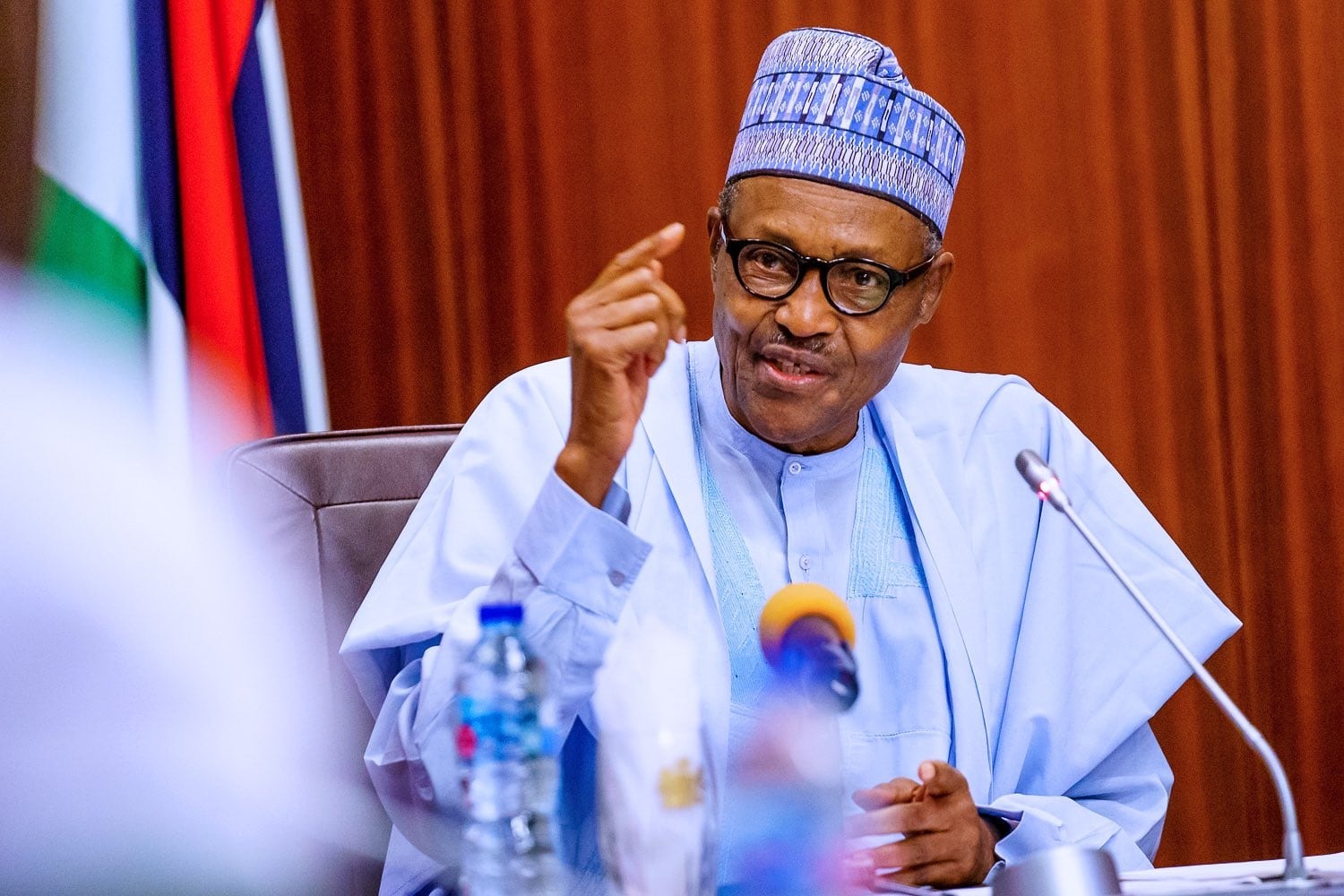
In his democracy speech on June 12, 2021, President Buhari claimed that his administration has lifted 10.5 million Nigerians out of poverty in the last two years. However, the Sustainable Development Report says the contrary. In fact, data showed that more people slipped into poverty within this period, either using the $1.90 or $3.20/day poverty threshold.

Nigeria’s poverty headcount ratio at $3.20 rose from 68.7% in 2018 to 70% in 2019. It further increased to 73.22% in 2020. These increasing incidents of poverty, particularly in the Buhari administration and the government’s denial of the same casts doubt on its ambitious plans to lift 100 million Nigerians out of poverty in 10 years. 

Not only this, just like the country did not achieve the Millennium Development Goals’ (MDGs) poverty targets by 2015, it might also be one of the countries that may not attain goal one of the SDGs by 2023, given its ever-increasing unemployment and inflation rate – two economic factors that prevent access to income and devalue people’s hard-earned income.

Between 2010 and 2020, Nigeria’s unemployment rate rose five-fold, from 6.4% in 2010 to 33.3% in 2020. According to a report by the Nigerian Economic Summit Group, the rise in the number of unemployed people is expected to push more people into the poverty trap, going forward. 

Already, inflation has pushed millions of Nigerians below the poverty threshold. The World Bank revealed this in its recent Nigeria Development Update report, noting that inflationary pressure pushed about 7 million Nigerians below the poverty line in 2020 alone.

The foregoing evidence from data suggests that unemployment and inflation contribute to extreme poverty in Nigeria, and together pose a major challenge for Nigeria in ending poverty – goal one of the SDGs. This is aside from the impact the COVID-19 may have had not only on Nigeria but the global community in achieving the SDGs. Acknowledging the effect of the global pandemic on the SDGs, the United Nations Secretary General noted that “the current crisis is threatening decades of development gains,… and throwing progress on the SDGs even further off track”

To get back on track to achieve Goal 1 of the SDGs, the government may need to adopt more effective economic measures, particularly in reducing the unemployment rate and inflationary pressure. 

August 2, 2021 0 comments
0 FacebookTwitterPinterestThreadsBlueskyEmail
Headlines

WHO Move Against E-Cigarettes, Vows to take action

by Leading Reporters July 28, 2021
written by Leading Reporters

The World Health Organisation, on Tuesday, urged governments to regulate the use of electronic cigarettes as they pose great dangers to human health.

The WHO Director-General, Tedros Adhanom Ghebreyesus, said nicotine was highly addictive and must be regulated to curb the tobacco industry’s “criminal” tactics to get young people hooked on the substance.

Ghebreyesus made the appeal in a WHO report titled ‘Global Tobacco Epidemic 2021”.

He warned that electronic nicotine delivery systems (ENDS) are harmful and should be regulated for maximum public health protection.

The report also showed that tobacco leads to eight million deaths annually, adding that over one million die from second-hand smoking.

“Where they are not banned, governments should adopt appropriate policies to protect their populations from the harms of ENDS, and to prevent their uptake by children, adolescents and other vulnerable groups,” it said.

According to the report, the manufacturers of these products often target youths with thousands of tantalising flavours and reassuring statements.

‘It’s The Most Criminal Act…We Can’t Let That Happen’

Leader of WHO Tobacco Free Initiative, Vinayak Prasad, also noted that targeting children with toxic and poisonous products is a criminal action.

“It’s the most criminal act. And it’s a human rights violation. They run the risk of being addicted for the rest of their lives,” he said.

He further noted that following the huge drop in the sales of cigarette, tobacco companies have developed new products like e-cigarettes and heated-tobacco products while lobbying governments to limit their regulation.

“Their goal is simple: to hook another generation on nicotine. We can’t let that happen.

“Distinguishing the nicotine-containing products from the non-nicotine, or even from some tobacco-containing products, can be almost impossible. This is just one way the industry subverts and undermines tobacco control measures,” he said.

According to the report, the sales of ENDS have been banned in 32 countries including Argentina, Brazil, Egypt, Ethiopia, India, Iran, Iraq, Mexico, North Korea and Singapore.

It also stated that 79 countries have adopted measures to either prohibit the use of such products in public places, prohibit their advertising, promotion and sponsorship or require the display of health warnings on packaging.

“This still leaves 84 countries where they are not regulated or restricted in any way,” the WHO said.

The report noted that there were still over billion active smokers around the world.

July 28, 2021 0 comments
0 FacebookTwitterPinterestThreadsBlueskyEmail
Africa & World

Tensions Rise With the GERD Water

by Leading Reporters May 4, 2021
written by Leading Reporters

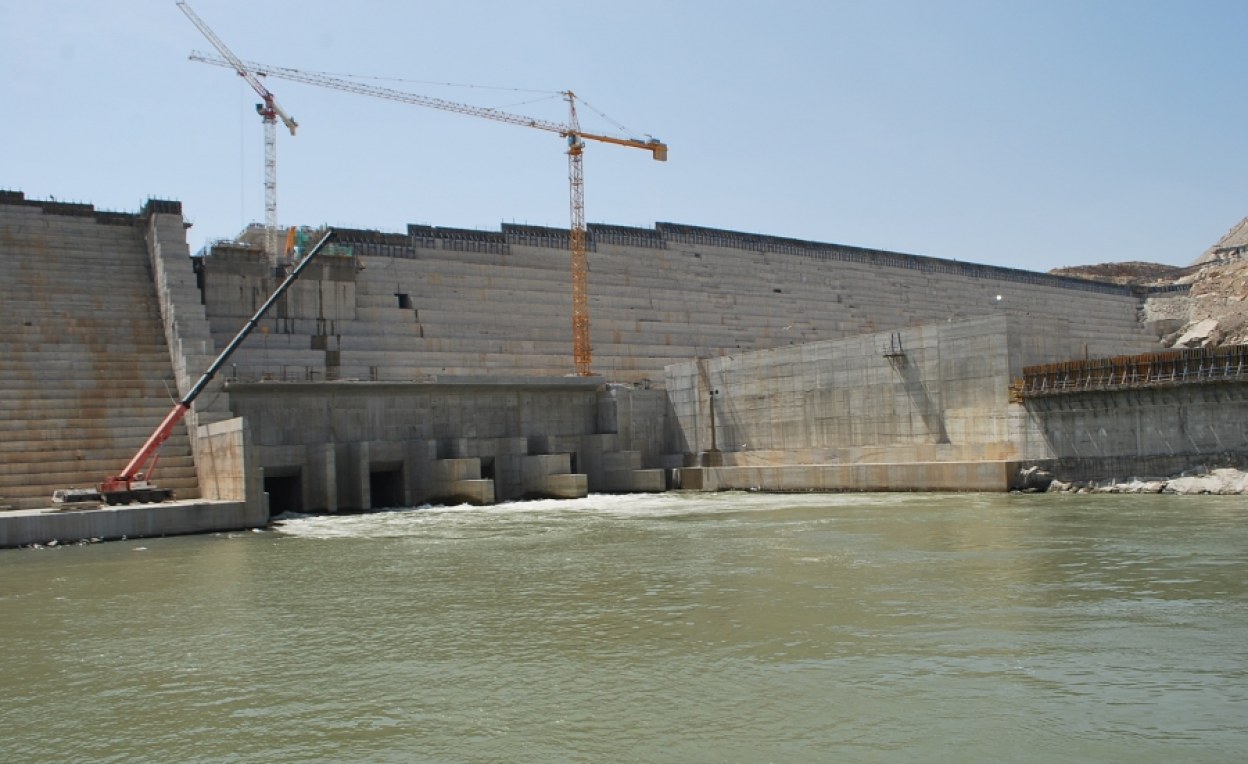
Tensions are once again rising among Ethiopia, Egypt and Sudan, along with the water in the Grand Ethiopian Renaissance Dam (GERD). The annual rainy season is fast approaching. Ethiopia will almost certainly undertake a second filling of the 74 billion cubic metre capacity reservoir if there is no prior agreement otherwise among the three disputants.

A deal seems remote, as there are no signs of even an imminent resumption of negotiations. The last round of African Union-led negotiations ended in Kinshasa on 5 April, without any glimpse of an accord on how to manage the huge dam Ethiopia is building on the Blue Nile, upstream of Egypt and Sudan, to generate 6.45 gigawatts of hydro-electric power.

Last week Egyptian Foreign Affairs Minister Sameh Shoukry travelled to six African countries – South Africa, Tunisia, Kenya, Senegal, the Democratic Republic of the Congo (DRC) and Comoros – to present Egypt’s case. Cairo is almost wholly dependent on the Nile for its fresh water and fears the GERD will significantly reduce its supply.

Egypt indicated before Shoukry’s tour that it might refer the dispute to the United Nations Security Council as it tried to do last July before South African President Cyril Ramaphosa intervened. As African Union (AU) chair at the time, he persuaded the parties to accept the AU as mediator. But Ramaphosa failed to clinch a deal in some six months of negotiations – and now his successor as AU chair, DRC President Félix Tshisekedi, has also failed.

The hints of Egypt’s intentions to try to go back to the Security Council included some sabre-rattling from President Abdel-Fattah el-Sisi, who warned Ethiopia not to ‘touch a drop of Egypt’s water, because all options are open.’ Another clue was a letter Shoukry wrote to the Security Council, urging it to persuade Ethiopia not to take any action on the dam before reaching a legally binding agreement with Egypt and Sudan.

He warned that failure to reach consensus would harm Egypt and Sudan’s water interests and security, increase tensions throughout East Africa and the Horn, and ‘constitute a serious threat to international peace and security.’ It is precisely the mandate of the Security Council to address such threats, so Shoukry appeared to be setting the stage to seek council intervention.

Sudan’s irrigation minister Yasser Abbas also mentioned referring the dispute to the Security Council if Ethiopia started a second filling of the dam without agreement among the three countries.

However at their meeting last week, Shoukry didn’t lobby Ramaphosa to support a Security Council referral. Instead he said Egypt would ask Tshisekedi to convene a special meeting of the AU Bureau to plot a path forward. There are no signs that such a meeting is imminent, despite the second filling’s looming deadline. Presumably, though, Egypt could still use the AU Bureau meeting to raise a request for the Security Council intervention.

Maybe that would provide the catalyst to kickstart the stalled negotiations. Or perhaps the parties should consider a different configuration. There seems little point in including the US and EU in a formal mediation role, but it might make sense to bring in the UN as co-chair with the AU. That could address Egypt’s apparent suspicion that the AU favours Ethiopia – while also addressing Ethiopia’s anxieties by keeping an AU hand in the process.

It’s hard to say where the standoff might end if no agreement is reached. El-Sisi’s sabre-rattling has been echoed by some Egyptian military analysts. They also point to recent joint military exercises between Egypt and Sudan as a warning that the two countries could resort to force if Ethiopia proceeds with the second filling.

Clearly the dispute is souring relations among three important African countries, and there is a danger of a flashpoint. This suggests the GERD dispute is a legitimate subject for Security Council attention, and that this option may be needed if negotiations don’t succeed soon.

Peter Fabricius, ISS Consultant

Read the original article on ISS.

May 4, 2021 0 comments
0 FacebookTwitterPinterestThreadsBlueskyEmail

Recent Posts

  • Engine Failure: Passengers escape death as Arik Air makes emergency landing

    February 11, 2026
  • Tinubu Welcomed into Labour Party – Abia Deputy Governor Emetu

    February 10, 2026
  • Senate adopts electronic, manual transmission of election results

    February 10, 2026
  • BURSTED: NSITF CEO MOVES On ₦297Billion Fund, Operates Over 100 Bank Accounts Linked To One BVN

    February 9, 2026
  • Peter Obi joins #OccupyNationalAssembly protest over electronic transmission of results

    February 9, 2026

Usefull Links

  • Contact Page
  • About Leading Reporters
  • Contact Us
  • Headlines
  • Investigation
  • Exclusives
  • Opinion
  • Business
  • Facebook
  • Twitter
  • Instagram
  • Linkedin

@2021 - All Right Reserved. Designed and Developed by PenciDesign


Back To Top
Leading Reporters
  • Featured
  • Politics
  • Opinion
  • Business
  • Entertainment
  • Sports
  • About Us
  • Contact