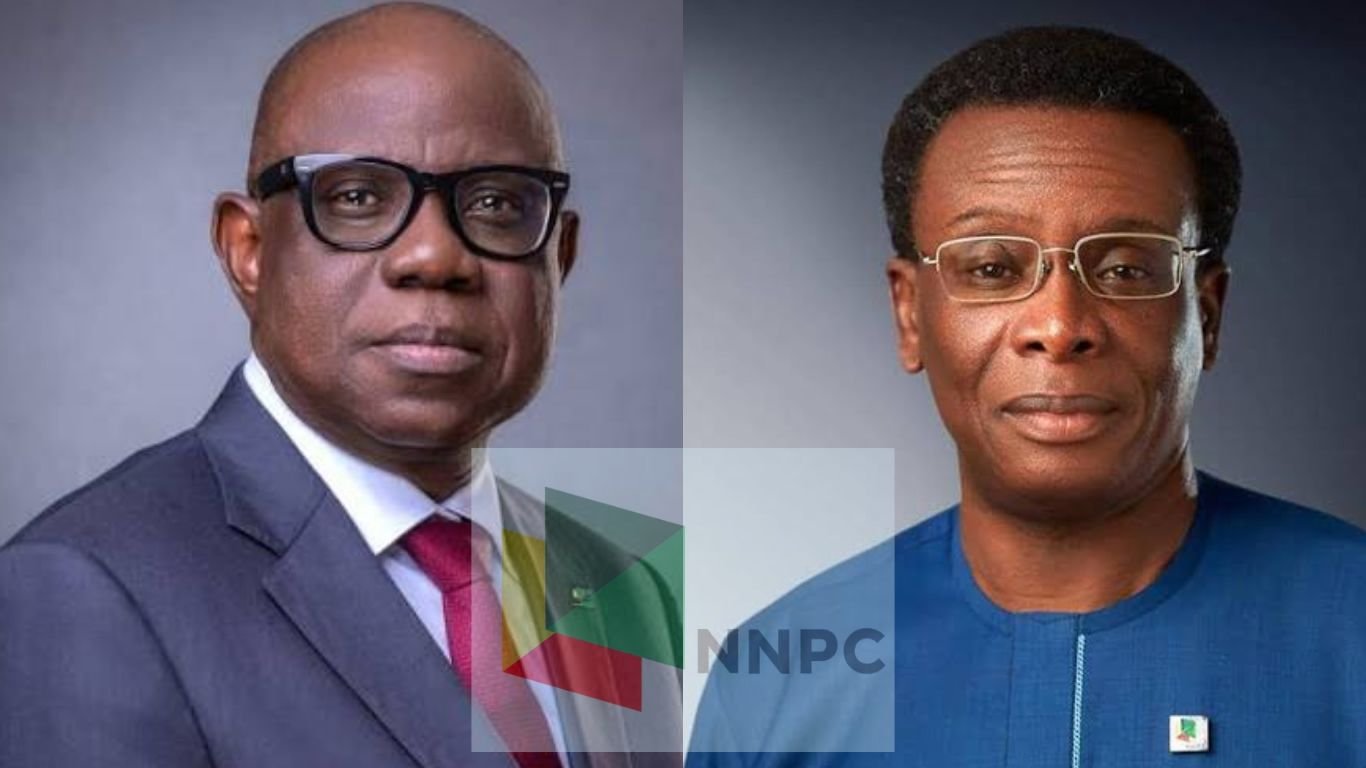
A review of NNPC Limited’s 2024 statements and the Nigeria Extractive Industries Transparency Initiative’s 2023 Oil and Gas Industry Audit exposes a troubling trail: a reported ₦7.131 trillion energy-security cost, billions of litres separating regulator and NNPCL records, and a downstream system under visible financial and operational strain.
The import figures do not match. The energy-security bill runs into trillions. Adedapo Segun was in the downstream hot seat – and these are the questions he must answer.
For Nigerians who paid more for petrol, were told that foreign exchange and supply pressures were to blame, the official records raise a harder question: where exactly did the fuel go, how was the money accounted for and who was watching the system when the numbers began to diverge?
Available records shows that Adedapo Segun more to explain that can never be wished away through verbose oratory. These records do not brand anyone ‘unpatriotic’. They simply give insight into something more important for an investigation: they establish a documented basis for asking what the downstream office knew, approved, reported and did — and when.
The ₦7.131 trillion bill Nigerians cannot see
NPCL’s 2024 annual financial report records energy-security costs of approximately ₦7.131 trillion, compared with about ₦4.844 trillion in 2023. It records amounts defrayed during the year at roughly ₦4.669 trillion in 2024, against ₦649.455 billion in 2023.
NNPCL says the costs came from the difference between the exchange-rate mechanism used to freeze the ex-coastal price of Premium Motor Spirit and the exchange rate in force when imports were settled. The amount was treated as receivable and set against sums due to the Federation under Section 64(m) of the Petroleum Industry Act 2021.
But an accounting explanation is not a transaction trail. Which cargoes produced the bill? Which contracts were signed? What was the landed cost of each shipment? When did each cargo arrive, where was it discharged and how much was delivered to marketers? What was sold, what was recovered and what remains outstanding?
The varying numbers according to available records
NEITI’s 2023 Oil and Gas Industry Audit records a major mismatch between petrol-import figures held by NMDPRA and those recorded by NNPCL. For 2022, NMDPRA recorded 3.29 billion litres of PMS imported by NNPCL. NNPCL’s own records showed 6.30 billion litres – a difference of 3.01 billion litres, or 92 per cent.
For 2023, NMDPRA recorded 6.02 billion litres while NNPCL recorded 3.90 billion litres – a gap of 2.12 billion litres, or 35 per cent.
The audit also separately put NNPCL’s 2023 PMS imports at 14.53 billion litres, valued at ₦6.74 trillion, with revenue of ₦3.73 trillion and an under-recovery of ₦3.01 trillion.
These figures may come from different definitions, periods or reporting sets. That possibility does not close the case; it opens it. NNPCL and NMDPRA must reconcile the figures line by line and publish the explanation. Until then, the public cannot know whether the gaps reflect timing, revisions, coverage, duplicated entries or errors – or which figures should be trusted.
When the queues returned, what was the plan?
In September 2024, NNPCL acknowledged financial strain linked to petrol-supply costs and warned that the pressure threatened the sustainability of supply. In a separate media interview that month, then-EVP Downstream Adedapo Segun cited foreign-exchange illiquidity, distribution constraints and the need to balance fresh imports against existing debts. According to the report, he did not give a definite timeline for ending the queues.
Foreign-exchange pressure may explain part of the crisis. It does not answer the management questions. How were import volumes matched to national demand? What stock level was considered safe? Which suppliers were paid, delayed or renegotiated? How were depot stocks, trucks, deliveries and retail shortages tracked? What target did management use to decide whether supply was recovering?
The public deserves more than a list of pressures. It deserves the plan, the dates, the targets and the results.
The questions for Adedapo Segun
Mr Segun served as NNPCL’s EVP Downstream until November 2024, when NNPCL announced his appointment as Chief Financial Officer and named Isiyaku Abdullahi as EVP Downstream. The following questions are directed to Mr Segun concerning the period when he led the downstream function and are presented for his right of reply:
- What is your explanation for the 2022 and 2023 PMS-import gaps between NMDPRA’s records and NNPCL’s records?
- Were those datasets reconciled before they were used in financial reporting or public statements? If so, when was the reconciliation completed, who approved it and what did it find?
- Which cargoes, contracts, invoices, exchange rates and settlement dates made up the energy-security costs attributed to the period you supervised?
- What controls did your office use to match each imported cargo to its discharge volume, depot allocation, marketer delivery and sales proceeds?
- When supply pressure intensified in September 2024, what contingency measures did your office activate? What targets were set, and did the results meet them?
- How much of the energy-security receivable connected to your period had been validated, recovered or offset before you left the downstream role?
- Did you raise concerns about import reporting, supplier debts, distribution bottlenecks or the sustainability of petrol supply? If yes, to whom, when and what action followed?
- Will you make available the records supporting your account, with only legally necessary commercial redactions?
The Record Hidden from Public Knowledge:
The documents reviewed do not contain one publicly traceable schedule linking every petrol cargo to its contract, invoice, arrival, discharge volume, depot allocation, marketer delivery, sales proceeds, foreign-exchange settlement and final treatment in the Federation receivable.
While this is not suggestive or casts aspersions, It is a demand for documentation, accountability and stewardship report. Nigerians want to know how their common wealth are being managed by those who have been appointed to do so. Stewardship is an integral part of development and progress for any given society.

Spotted an error? Read our Corrections Policy or tell the editors.
Got a story or a tip? Contact Leading Reporters. We protect our sources.