

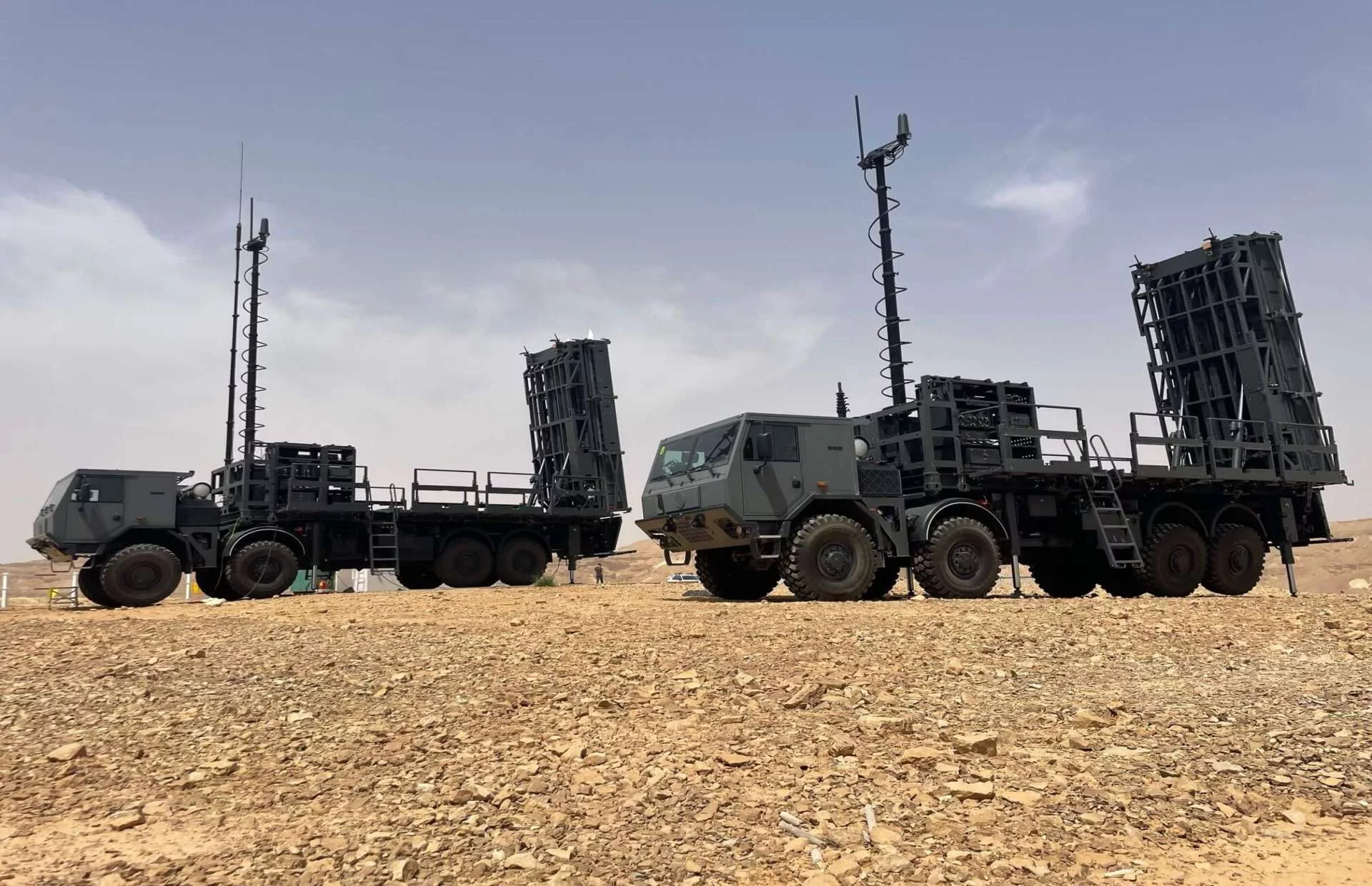
Kenya has taken delivery of an Israeli-made SPYDER surface-to-air missile system, significantly strengthening its air-defence capability amid growing regional security concerns.
The acquisition, reported by Kenyan media on December 15, 2025, was financed through a government-backed Israeli loan estimated at about $26 million (approximately KSh3.4 billion), according to Treasury disclosures. The funding structure indicates a formal state-to-state defence procurement rather than a goodwill or ceremonial transfer.
The missile system is expected to enhance Kenya’s ability to protect strategic assets, including military air bases, ports, and other critical infrastructure, against threats from aircraft and unmanned aerial vehicles.
Treasury records further show that the same Israeli financing facility accounts for nearly 70 per cent of the Ministry of Defence’s development budget for the 2025/26 fiscal year, while also outlining Kenya’s repayment commitments under the external loan arrangement. Although some local reports have described the system as a political “gift” following high-level diplomatic engagements, official financial documents point to a structured and repayable defence deal.
The SPYDER system, manufactured by Israeli defence firm Rafael, is equipped with two types of interceptors: the PYTHON-5 missile, which uses imaging infrared and CCD seekers for passive targeting, and the I-DERBY missile, which employs active radar homing for all-weather, fire-and-forget engagements.
Designed as a highly mobile air-defence platform, SPYDER can engage multiple targets simultaneously and provides 360-degree coverage. Depending on configuration, the system is advertised to have engagement ranges of up to 80 kilometres, along with strong resistance to electronic countermeasures.
In its all-in-one configuration, the system can be mounted on a single 8×8 vehicle carrying up to eight missile canisters, with rapid deployment capability and the ability to transition from movement to combat readiness within minutes.

Spotted an error? Read our Corrections Policy or tell the editors.
Got a story or a tip? Contact Leading Reporters. We protect our sources.